


Understanding Myeongdong Mole Removal and Assessment
Mole removal is a medical procedure that should begin with an examination of the spot. Its size, shape, color, location, and changes over time can help guide the next step. Removal is not always the first or only consideration: a clinician may recommend assessment or monitoring before discussing a procedure. If you are looking into Myeongdong mole removal, first confirm whether the clinic you plan to visit offers mole assessment and removal. This helps set clear expectations before booking and avoids assuming that every skin concern is treated in the same way.
Why an assessment comes before a removal decision
A mole can be assessed by its visible features and by the history of any changes. A clinician may ask when it appeared, whether it has changed, and whether it causes irritation or other concerns. These details help determine whether the spot needs further evaluation and whether removal is appropriate. Do not rely on appearance alone to decide that a mole is harmless. If a spot is new, changing, bleeding, or otherwise concerning, seek medical assessment rather than attempting to remove it yourself.
The purpose of an initial assessment is to identify the most appropriate next step for the individual spot. A clinician can examine its location and characteristics, discuss the reason for removal, and explain what can and cannot be determined through a visual check. If further evaluation is appropriate, that should be addressed before a cosmetic removal decision. Clarifying the goal of treatment—medical assessment, removal, or appearance-related care—makes the consultation more useful. Bring a clear account of when you first noticed the mole and any changes you have observed. Photographs taken over time may also help explain its history, although they do not replace an in-person examination.
A careful assessment is the starting point for any mole-related decision. The appropriate next step depends on the individual spot, so confirm what the clinic can assess before arranging treatment.
Signs and changes worth mentioning
When you speak with medical staff, describe any noticeable changes in the mole’s size, shape, color, or surface. Also mention symptoms such as itching, tenderness, crusting, or bleeding. These details do not establish a diagnosis by themselves, but they help explain why you are seeking an assessment. If you have noticed a change, avoid delaying the conversation simply because the spot is small or in a discreet location.
It can be difficult to remember how a mole looked months or years ago. If you have dated photographs, they may help you describe changes, especially when the spot is in a location that is hard to see regularly. Note when you first noticed it and whether any change happened gradually or over a shorter period. You can also make a brief list of questions about the assessment, the proposed method, healing, and whether follow-up is recommended. These practical details support a more focused discussion. Seek assessment for a changing or symptomatic spot rather than trying home removal methods. Cutting, picking, or applying unprescribed products can injure the skin and may make later evaluation more difficult.
Setting expectations for a clinic visit
A consultation is a chance to explain your concern and learn whether the clinic offers the assessment or service you are seeking. Myeongdong Dr. Designer Clinic is a skin and aesthetic care clinic in Seoul, but the available information does not establish a specific mole-removal service or method. Contact the Myeongdong branch before booking to ask directly. This distinction matters: general skin and aesthetic care does not, by itself, confirm that a particular procedure is available.
Before travelling, prepare a concise description of the mole and your reason for asking about it. Include any changes or symptoms, along with relevant questions about evaluation and aftercare. If you have several spots, identify which one is the main concern so the conversation can begin clearly. You can also ask whether the appointment includes an assessment and what happens if the clinician recommends a different next step. Clear questions help you understand the service being discussed without assuming a procedure has already been selected. Confirm that your appointment details and directions identify the Myeongdong branch, particularly when arranging a deposit or using a map pin.
When discussing mole removal, ask what the assessment involves, what options may be appropriate, and whether any further evaluation is recommended. The clinic can confirm its current services and appointment arrangements directly. A clear explanation of the next step is more useful than choosing a procedure based only on a general description online.
How Myeongdong Mole Removal Decisions Are Made
The approach to mole removal depends on the spot and the reason for considering treatment. A clinician may discuss whether removal is suitable, what method is being considered, and whether the removed tissue should be evaluated. These decisions should not be assumed from a general description of skin care services. Ask for an explanation of the proposed approach before agreeing to treatment. For a visit to Myeongdong Dr. Designer Clinic, confirm directly whether mole-related assessment or removal is currently offered and what the consultation includes.
Discussing possible approaches with the clinician
There is no single removal approach that applies to every mole. The method considered can depend on its appearance, depth, location, and clinical assessment. A clinician should explain the intended approach and why it may be suitable for the individual spot. Ask what the procedure involves, what type of mark or wound to expect, and whether additional assessment is needed. Avoid assuming that a method used for one mole will be appropriate for another.
During a treatment discussion, make sure you understand what the procedure is intended to address and what it cannot determine. If removal is proposed, ask whether the tissue will be examined and what follow-up is advised. It is also reasonable to ask about discomfort, wound care, possible scarring, and the expected healing process. The answers may depend on the spot and the method selected, so general online descriptions cannot replace an individual consultation. Request clear information about the procedure and aftercare before making a decision. If you are uncertain about the recommendation, ask the clinician to explain the reasoning in plain language and identify any alternatives or further evaluation that may be appropriate.
Mole removal should be planned around an assessment of the individual spot, not a one-size-fits-all assumption. Before proceeding, understand the proposed method, its purpose, and any follow-up that may be needed.
Preparing for an assessment or procedure
Before an appointment, note when you first noticed the mole and any changes or symptoms. Bring photographs if they help show how the spot has changed, and prepare questions about assessment, the proposed method, and healing. Contact the clinic in advance to confirm whether it provides mole-related care and whether there are any specific preparation instructions. Do not stop prescribed medication or change your usual care unless a qualified clinician advises you to do so.
Preparation is mainly about sharing accurate information and confirming the appointment details. Tell the medical staff about relevant health conditions, medicines, allergies, and previous problems with wound healing, if applicable. Ask whether the skin should be left untreated before the visit and whether there are restrictions after a procedure. Instructions can differ depending on the assessment and planned care, so avoid following generic advice that conflicts with instructions from the clinician. Do not try to remove, burn, or cut a mole at home before an assessment. If the clinic confirms an appointment, make sure the location and branch are clear and that you know whom to contact if your plans change.
Healing and follow-up considerations
After any skin procedure, follow the aftercare instructions given by the treating clinician. Ask how to keep the area clean, whether a dressing is needed, and what changes should prompt a call or review. Healing varies with the procedure and individual circumstances. Do not assume that a small treated area needs no care, and avoid picking at a healing wound. Confirm whether a follow-up visit is recommended before leaving the clinic.
Care after removal is part of the treatment plan, not an afterthought. The clinician’s instructions should reflect the method used and the location of the treated area. Ask what to do if the area becomes increasingly painful, swollen, or otherwise concerning, and how to reach the clinic with a question. If a sample is sent for evaluation, ask how and when results will be communicated. These details can help you understand what to expect after leaving and when further contact is appropriate. Changes in healing can differ from person to person, so use the instructions provided for your own procedure rather than relying on another person’s experience. Keep any recommended review appointment and raise new concerns promptly.
A written aftercare plan can make it easier to follow the clinician’s guidance once you are home. Before leaving, make sure you understand how to care for the area, what changes to watch for, and whether follow-up is planned. If any instruction is unclear, ask for clarification rather than guessing.
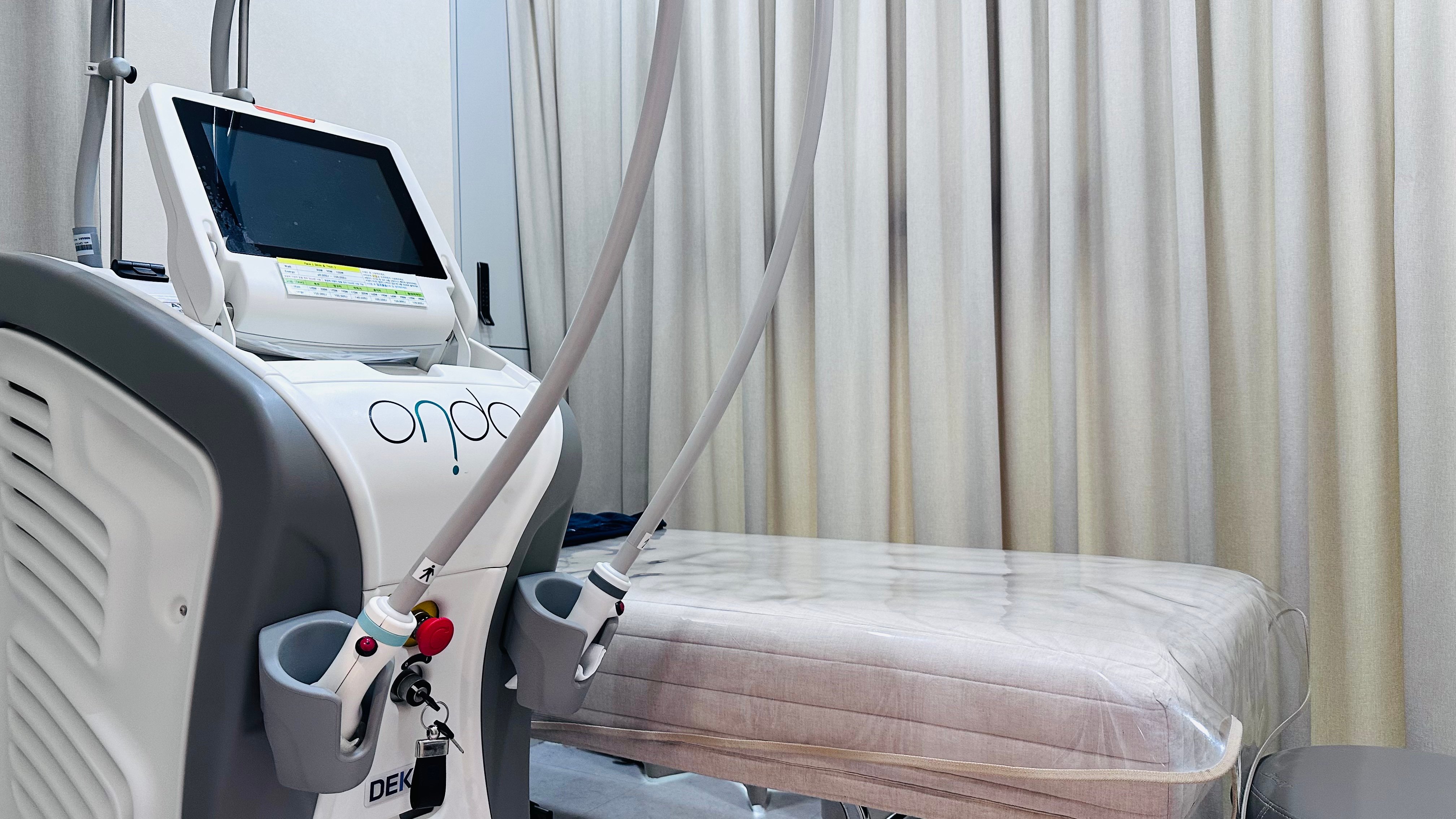
Planning a Myeongdong Mole Removal Consultation
A useful consultation starts with confirming that the clinic can address your specific concern and understanding what the visit will cover. Myeongdong Dr. Designer Clinic is located in central Seoul and provides skin and aesthetic care. To avoid confusion, identify the Myeongdong branch when contacting the clinic and check the current schedule before travelling. Ask about mole assessment or removal directly; do not assume a specific procedure is available based on general clinic services.
Questions to ask before booking
When contacting the clinic, explain that you are seeking an assessment or information about a mole. Ask whether the Myeongdong branch currently offers the service, whether an initial consultation is required, and what information to bring. If the clinic can arrange an appointment, confirm the time and location. You can also ask how to receive written details about any proposed procedure, aftercare, and total cost before deciding to proceed.
It is helpful to keep your questions focused on the decision you need to make. Ask who will assess the mole, what the examination covers, and whether the clinic recommends further evaluation before any removal. If a procedure is discussed, clarify the method, the expected wound care, and whether a follow-up visit is part of the plan. Request the final cost for the specific service in writing before treatment; no mole-removal price is stated here. Confirm that messages, any deposit request, and the map pin all identify the Myeongdong branch. Doing so helps ensure that the appointment arrangements match the location you intend to visit.
Confirm the service, appointment details, and branch before travelling. A direct conversation with the clinic can establish what is available and what information you should bring for an assessment.
Finding the Myeongdong branch
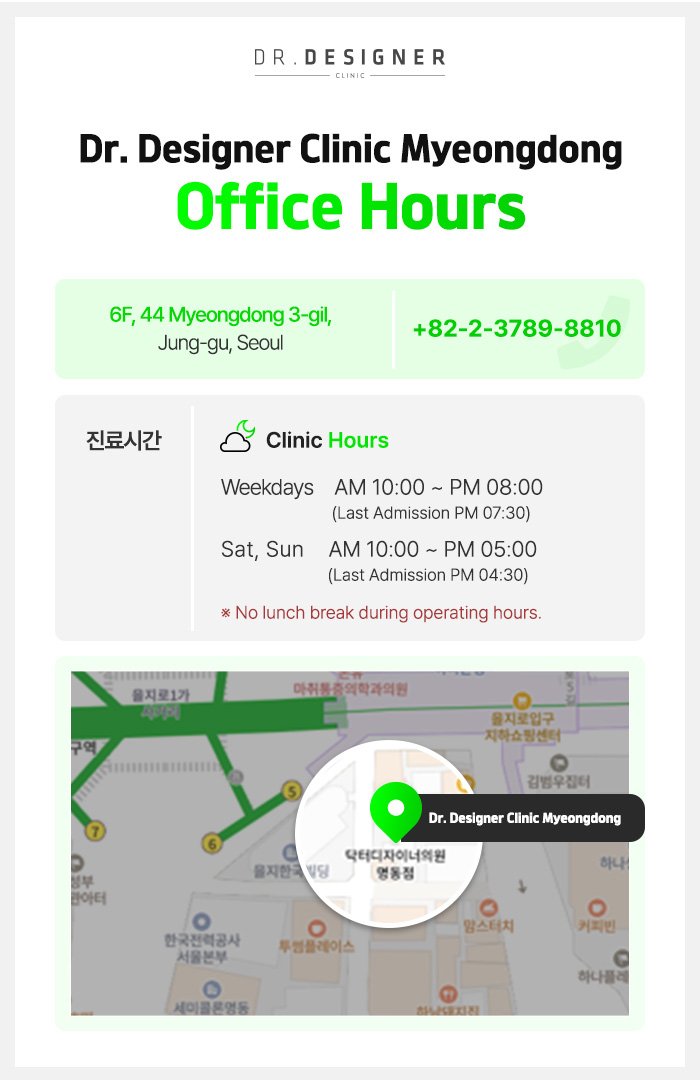
Myeongdong Dr. Designer Clinic is at 6th Floor, 44 Myeongdong 3-gil, Jung-gu, Seoul. The listed hours are Monday to Friday from 10:00 AM to 8:00 PM and Saturday to Sunday from 10:00 AM to 5:00 PM, with no lunch break. Check the current monthly schedule before visiting, as hours can depend on the clinic’s schedule. Confirm that your map pin points to the Myeongdong branch.
For appointment questions, contact Myeongdong Dr. Designer Clinic at 02-3789-8810. Before travelling, confirm the appointment time, the current hours, and the consultation language that can be arranged. The clinic information describes direct multilingual booking, which may help visitors make arrangements before arrival. When communicating, state clearly that you are asking about mole assessment or removal, since the availability of a specific service should be confirmed directly. If you receive a deposit request or directions, verify that they identify the Myeongdong branch at 44 Myeongdong 3-gil. This simple check helps keep your booking, payment request, and destination aligned.
Making an informed decision
Choose your next step based on the assessment and the explanation you receive, not on assumptions about a particular technique or outcome. Before agreeing to a procedure, make sure you understand its purpose, any follow-up, and how to care for the area. If you are seeking care at Myeongdong Dr. Designer Clinic, contact the branch to confirm whether it can assess your mole and explain the current appointment process.
A clear consultation should leave you knowing what has been assessed, what is being recommended, and what questions remain. If a recommendation is unclear, ask for it to be explained again before proceeding. You may also ask for the proposed plan and cost in writing so you can review them at your own pace. The decision to remove a mole should follow an appropriate assessment and an informed discussion of the plan. Take time to understand the proposed care and aftercare, and contact the clinic if you need clarification before your appointment.
For a practical visit, bring your notes about changes or symptoms and arrive at the confirmed branch at the scheduled time. Ask the clinic directly about mole-related services and any instructions for your appointment. These steps help keep the discussion focused on your concern without presuming that a particular treatment is suitable.
Frequently Asked Questions
Q.What kind of clinic is Myeongdong Dr. Designer Clinic?
A.Myeongdong Dr. Designer Clinic is a skin and aesthetic care clinic in Myeongdong, Seoul. Contact the Myeongdong branch directly to ask about a specific mole-related service.
Q.Who might contact Myeongdong Dr. Designer Clinic about a mole?
A.People seeking skin and aesthetic care in central Seoul may contact the clinic to discuss an individual concern. Ask directly whether mole assessment or removal is currently available.
Q.How should I ask about mole treatment at Myeongdong Dr. Designer Clinic?
A.Tell the clinic that you are seeking information about mole assessment or removal and ask what the consultation involves. Confirm the service and appointment details before travelling.
Q.What should I prepare before a consultation?
A.Note when you first noticed the mole and any changes or symptoms, and prepare questions about assessment and aftercare. Confirm any appointment-specific instructions with the clinic.
Q.Where is Myeongdong Dr. Designer Clinic, and how can I contact it?
A.The clinic is at 6th Floor, 44 Myeongdong 3-gil, Jung-gu, Seoul. Call 02-3789-8810 and confirm that your booking is for the Myeongdong branch.
Clinic Information
| Clinic | Myeongdong Dr. Designer Clinic |
|---|---|
| Specialty | Clinic |
| Address | 6th Floor, 44 Myeongdong 3-gil, Jung-gu, Seoul |
| Phone | 02-3789-8810 |
| Website | https://md-drdclinic.sillajewelry.com/ |
 Myeongdong Dr. Designer Clinic