





Myeongdong Juvelook: Understanding the Treatment
People exploring Myeongdong Juvelook often want to know how a collagen-stimulating injectable works and whether it suits their skin concerns. Juvelook is used in aesthetic treatments intended to support improvements in skin quality. A consultation is the starting point: the appropriate treatment depends on the concern being addressed, medical history, and the doctor’s assessment. At Myeongdong Dr. Designer Clinic, ask the medical staff whether the treatment is currently available and which approach, if any, is appropriate for you.
How collagen-stimulating injectables work
Collagen is a structural protein that contributes to the skin’s support and texture. Collagen-stimulating injectables are designed to encourage a response in the skin over time rather than rely solely on immediate volume. Juvelook contains poly-D,L-lactic acid, a biodegradable material used in aesthetic treatments. The treatment approach can differ according to the area being considered and the result sought. Your doctor can explain how the proposed product and technique relate to your particular concerns.
It is useful to distinguish between skin quality and facial volume when discussing treatment. Skin quality can refer to features such as texture and fine lines, while volume refers to the contours and fullness of an area. These concerns can overlap, but they do not necessarily call for the same plan. Describe what you notice in ordinary lighting and which area matters most to you, rather than assuming that a particular injectable is the answer. The doctor can assess the area and explain the purpose of a proposed treatment. Changes may take time depending on your individual condition, and results cannot be promised. Ask how progress would be assessed and what alternatives, including no treatment, might be appropriate.
A collagen-stimulating injectable is best understood as an option for a specific concern, not a universal solution. A discussion with the doctor helps connect the treatment choice to your skin and expectations.
Concerns to discuss with the doctor
Fine lines, uneven-looking texture, and changes in skin firmness are examples of concerns to bring to an aesthetic consultation. Be as specific as you can about the location and appearance of the issue. For example, explain whether it is visible at rest or mainly when you move your face. The doctor’s assessment matters more than choosing a treatment by name before the visit. Some concerns may have causes or characteristics that require a different approach.
It also helps to explain what you hope will change and what you would prefer to avoid. If you are concerned about looking noticeably different, say so. If you have a particular event or travel plans, share those details before making a decision, since treatment and recovery should fit your schedule. The medical staff can discuss whether an injectable is suitable, what the procedure is intended to address, and what a realistic outcome might look like. Ask the doctor to distinguish expected effects from results that cannot be predicted. You do not need to commit to a procedure during the consultation; taking time to understand the recommendation is a reasonable part of informed decision-making.
Comparing treatment goals
During consultation, ask whether the proposed treatment is intended primarily to address texture, fine lines, or another concern identified during the assessment. This distinction makes it easier to evaluate the recommendation. The doctor should also explain the planned treatment area and why the selected approach fits that area. A clear treatment goal is more useful than a broad promise of improvement. If the proposed plan does not match your priorities, discuss that difference before proceeding.
Another useful question is how the doctor will judge progress. A conversation about your starting point can help set a practical frame for evaluating any changes later. You can ask whether photographs are useful and how follow-up decisions are made. Avoid comparing your outcome directly with someone else’s: skin condition, treatment choices, and individual responses differ. The aim is to understand what the recommendation can reasonably address in your case, not to predict a particular result.
Before agreeing to treatment, make sure you understand the product being proposed and the purpose of each part of the plan. If the doctor recommends more than one approach, ask why each is relevant and whether each is necessary. You can also ask what to expect if you decide to postpone treatment. These questions support a considered decision without assuming that an injectable is the right choice for every concern or that a particular result will follow.
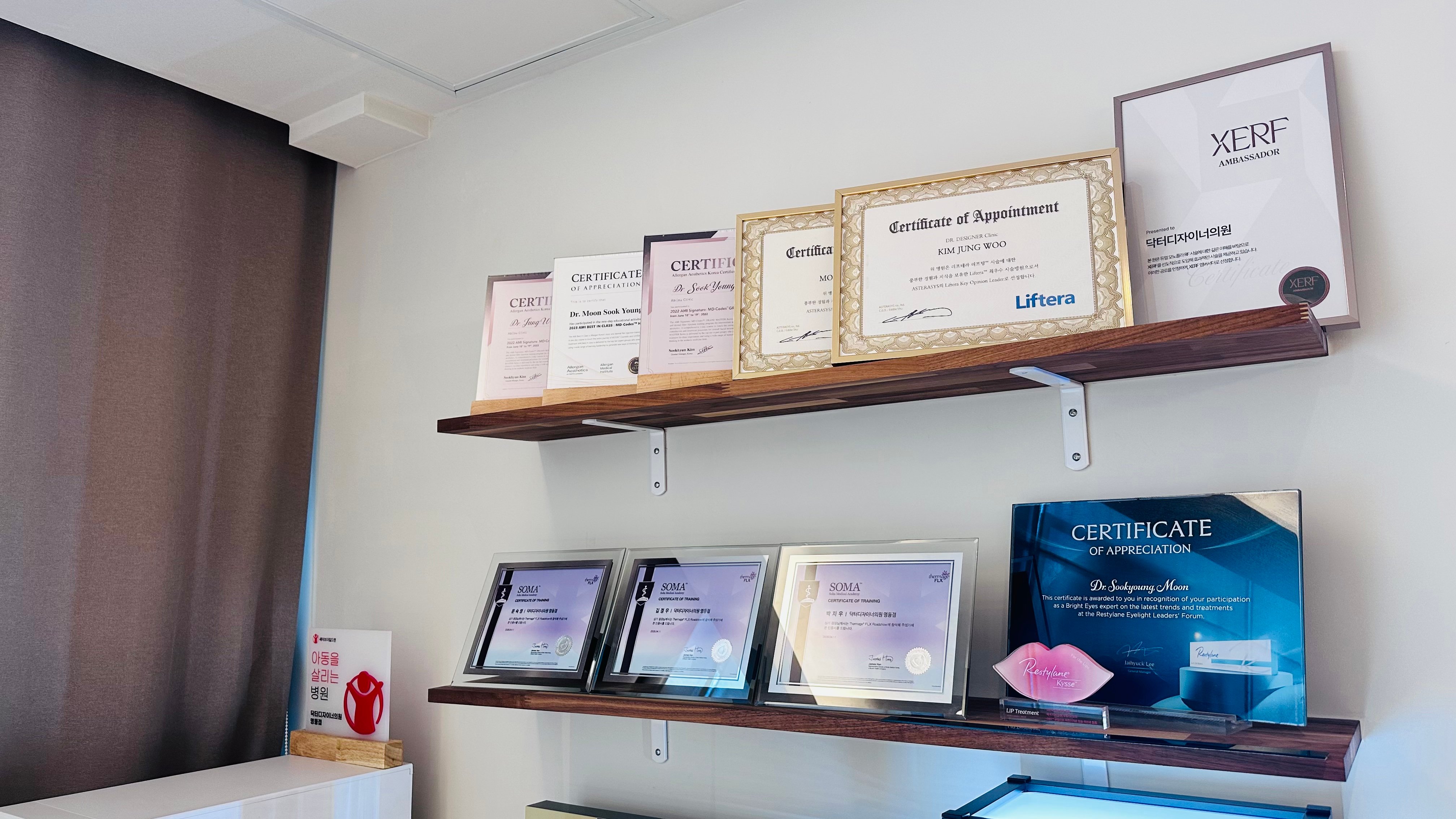
Myeongdong Juvelook: Consultation and Treatment Planning
A useful consultation brings together your priorities, medical history, and the doctor’s assessment. At Myeongdong Dr. Designer Clinic, explain the concern you want addressed and ask whether Juvelook is available for that purpose. The medical staff can discuss the proposed treatment, its expected course, and relevant precautions. Do not assume that a treatment is suitable simply because it is popular or familiar. Suitability and the details of a plan should be assessed individually.
What to share before treatment
Tell the medical staff about your health history, current medicines, allergies, and previous treatments in the area. Mention any current skin irritation, infection, or wounds where you are considering treatment. These details help the doctor assess whether to proceed, adjust the plan, or postpone a procedure. If you are pregnant or breastfeeding, raise that during the consultation as well. Do not stop or change prescribed medication on your own; discuss it with the prescribing clinician and the treating doctor.
Previous aesthetic procedures are relevant even if you are not sure exactly which product was used. Share the treatment name, location, and approximate timing if you know them, along with any unexpected reaction or difficulty during recovery. If you have records or photographs, bring them to the appointment. The medical staff can explain which details matter to the assessment. Be equally direct about your expectations: describe the change you would welcome and any outcome you would find unacceptable. This gives the doctor a clearer basis for discussing suitability. If you do not understand an explanation, ask for it to be put in plain language. A consultation should leave you able to describe what is proposed, why it is proposed, and what the main considerations are before deciding.
A treatment plan begins with an accurate health history and a specific goal. Share previous procedures and current concerns openly so the doctor can assess the proposed approach in context.
Questions about the proposed procedure
Ask the doctor which product will be used, where it will be placed, and how the procedure will be performed. It is also reasonable to ask what sensations to expect and what comfort measures, if any, are appropriate. The number of appointments and the treatment schedule should be explained as part of your individual plan rather than assumed in advance. Ask whether a follow-up visit is recommended and what would be reviewed at that appointment.
Before consenting, discuss the potential benefits and the limits of treatment alongside the risks. Injection procedures can cause temporary reactions such as redness, swelling, bruising, or tenderness. Other complications are possible, and the doctor should explain the risks relevant to the product, treatment area, and your medical history. Ask what symptoms are expected, which symptoms need a prompt call, and how to reach the clinic if you have a concern. Seek urgent medical attention for severe or rapidly worsening symptoms, or if you are concerned about an emergency. A clear explanation should also cover any alternatives the doctor considers relevant and the option of not proceeding. If any part of the plan is unclear, ask for clarification before making a decision.
Points to consider before treatment
Plan around the possibility of temporary visible injection reactions, particularly if you have an important commitment or travel planned. Ask the medical staff for guidance tailored to your proposed treatment rather than relying on another person’s recovery experience. The doctor can explain what to avoid, how to care for the treated area, and when to get in touch with the clinic. Individual aftercare instructions should take precedence over general advice.
Costs should be discussed before you agree to treatment. Ask for a clear explanation of what the proposed fee covers, whether follow-up is included, and whether any additional appointments would have a separate charge. The total depends on the plan developed for your needs. If a deposit is requested, check the terms and make sure the request identifies Myeongdong Dr. Designer Clinic. Keep a copy of the details you receive so you can review them before confirming.
It is also helpful to check how the plan fits your broader schedule. Tell the medical staff about upcoming travel, activities, or previous reactions that may affect your preferences. Ask when you can resume your usual routine and whether any activities should be postponed. If you feel pressured or uncertain, take time to consider the information. An informed choice depends on understanding both the intended benefit and the practical responsibilities that come with treatment and follow-up.
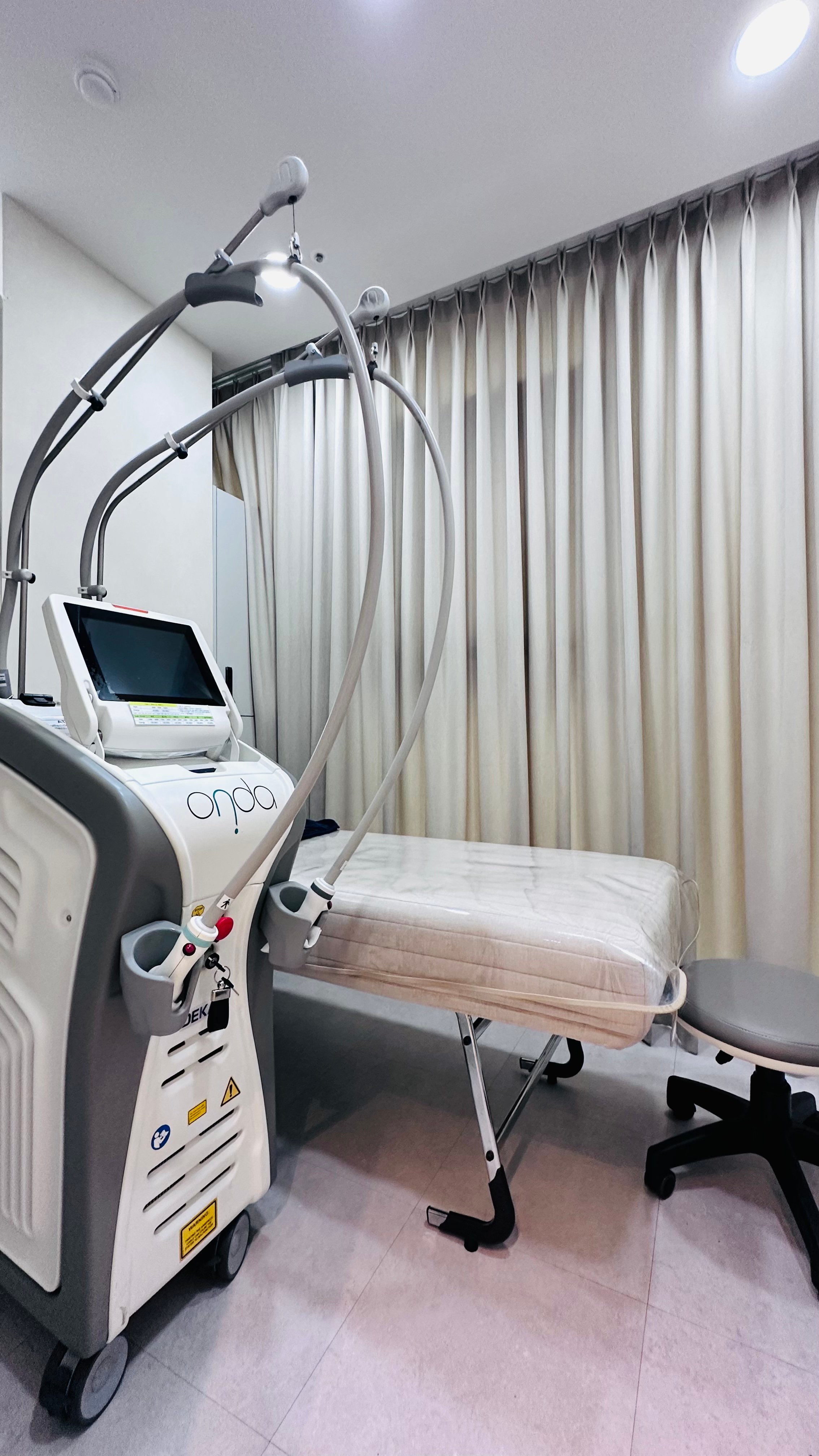
Myeongdong Juvelook: Planning Your Clinic Visit
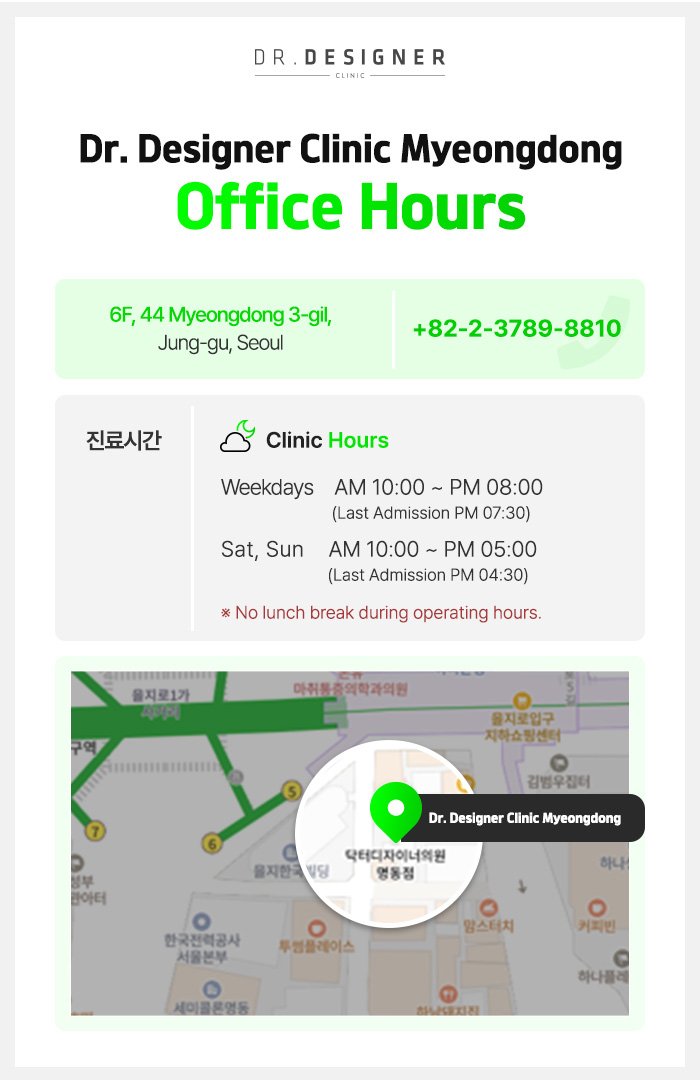
Myeongdong Dr. Designer Clinic is in the Myeongdong area of Seoul. Before travelling, check the current monthly schedule and confirm your appointment time and consultation language. When arranging a visit, make sure the booking, map pin, and any deposit request identify the Myeongdong location. Confirm treatment availability before booking if you are visiting specifically to discuss a collagen-stimulating injectable. This helps you prepare questions and decide whether the appointment meets your needs.
Clinic hours and scheduling
The clinic’s regular hours differ between weekdays and weekends, and the clinic is open without a lunch break. Check the current monthly schedule before setting out, as a regular timetable does not replace confirmation of your individual appointment. If you need a consultation in a particular language, raise that when arranging your visit. Allow enough time to discuss your concerns and the proposed plan rather than assuming that a procedure will take place immediately.
| Day | Regular hours |
|---|---|
| Monday to Friday | 10:00 a.m. to 8:00 p.m. |
| Saturday and Sunday | 10:00 a.m. to 5:00 p.m. |
When you make contact, explain whether you are looking for an initial consultation or asking about a treatment recommendation you have already received. You can ask what information the medical staff would find useful to review and whether any records should be brought along. If your plans are time-sensitive, mention your travel dates and ask how the consultation and any recommended follow-up would fit within them. Avoid assuming that treatment will be appropriate or available on the day of your visit. The doctor needs an opportunity to assess your concern and discuss the plan with you. Confirming logistics in advance lets you focus on the consultation itself rather than resolving preventable scheduling questions at the last minute.
Check the current schedule and identify the Myeongdong location when arranging your visit. A little preparation gives you more time to focus on your concerns and the doctor’s assessment.
Preparing for the appointment
Bring a concise list of your concerns, medicines, allergies, and previous procedures. Note any questions about the product, expected changes, recovery, and cost. If a previous treatment caused a reaction, include that information even if the experience was some time ago. You can also bring relevant records if you have them. These details help the medical staff understand your history and can make the discussion more focused.
Think about your priorities before the visit, but remain open to the doctor’s assessment. You might have identified a treatment through research, while the consultation reveals that another approach—or no procedure—is more appropriate for your concern. Ask what the doctor observes and how that relates to the recommendation. If photographs are discussed, ask how they would be used in assessing progress. You can also request a written explanation of the plan and costs so you have time to review them. Preparation is not a commitment to treatment. It is a way to make sure your questions are addressed and that any decision reflects your health, preferences, and practical circumstances.
Making a considered decision
At the end of the consultation, summarize the recommendation in your own words: the concern being addressed, the product proposed, and the expected course of care. Ask the doctor to correct anything you have misunderstood. You should also know whom to contact if questions arise after the visit. If the plan includes follow-up, ask what the appointment is intended to assess and whether it is included in the quoted cost.
Consider whether the explanation matches your goals and whether you understand the relevant risks and alternatives. A decision can be postponed if you need more time or want clarification. Do not rely on an advertised treatment name alone to determine suitability. The choice should reflect the doctor’s assessment and your own informed preferences. Any anticipated changes should be discussed as possibilities, not promises, and may take time depending on your individual condition.
For practical arrangements, verify that your appointment details identify Myeongdong Dr. Designer Clinic. Check the time, consultation language, and any deposit terms before travelling. If you decide to proceed, follow the instructions given by the medical staff and ask how to report a concern. Keeping your appointment and treatment information together can make follow-up easier and help you refer back to the advice you received.
Frequently Asked Questions
Q.What kind of place is Myeongdong Dr. Designer Clinic?
A.Myeongdong Dr. Designer Clinic is a clinic in Seoul where patients can arrange a consultation with medical staff.
Q.Who might consider a consultation?
A.A consultation may be useful for someone concerned about skin texture or fine lines. The doctor can assess the concern and discuss whether an injectable approach is appropriate.
Q.Can I ask about collagen-stimulating injections?
A.Yes. Ask the medical staff about current availability, suitability, and the proposed treatment approach when arranging your consultation.
Q.How much does treatment cost?
A.Cost depends on the proposed plan. Ask for a breakdown of the fee and any potential follow-up charges before agreeing to treatment.
Q.Where is Myeongdong Dr. Designer Clinic, and how can I contact it?
A.The clinic is at 6th Floor, 44 Myeongdong 3-gil, Jung-gu, Seoul. Call 02-3789-8810 to ask about an appointment.
Clinic Information
| Clinic | Myeongdong Dr. Designer Clinic |
|---|---|
| Specialty | Clinic |
| Address | 6th Floor, 44 Myeongdong 3-gil, Jung-gu, Seoul |
| Phone | 02-3789-8810 |
| Website | https://md-drdclinic.sillajewelry.com/ |
 Myeongdong Dr. Designer Clinic