





How Myeongdong Potenza Works
Potenza combines microneedling and radiofrequency energy in a single treatment approach. Fine needles enter the skin while radiofrequency energy generates controlled heat in the targeted tissue. The aim is to support the skin’s natural repair processes, including collagen remodeling. Treatment plans should be based on the concern being addressed, skin condition and medical assessment rather than on the device name alone. A consultation is an opportunity to understand what the treatment can reasonably address and how it compares with other options.
The role of microneedles
Microneedles create small channels in the skin and allow energy to be delivered below the surface. The depth and placement of treatment matter because different concerns involve different layers of skin. For example, a discussion about acne scarring may focus on the type and location of scars rather than texture alone. The attending doctor can assess whether microneedling is appropriate and explain which areas are suitable for treatment. A device-based procedure is not necessarily appropriate for every skin condition.
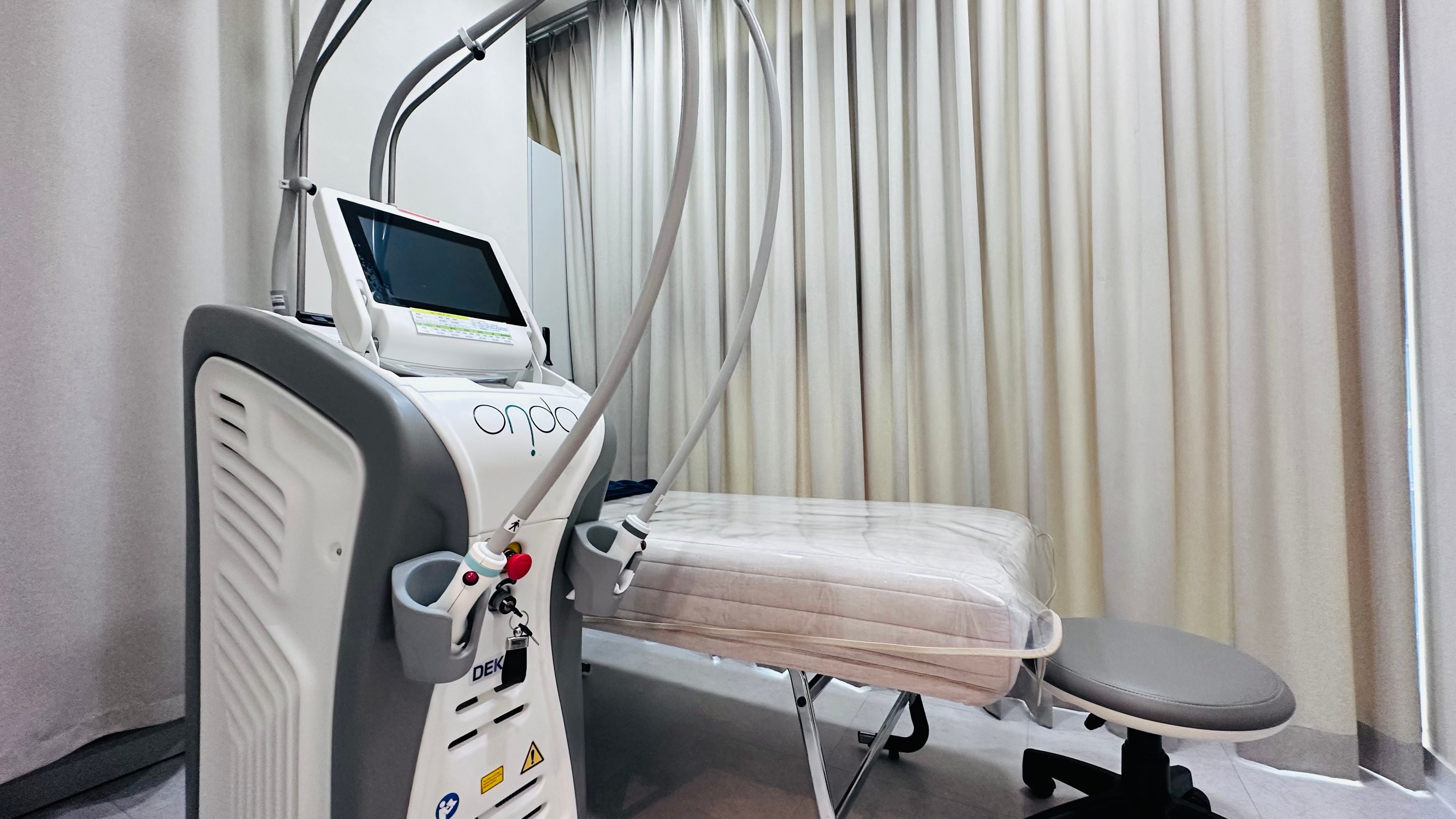
During treatment, the doctor uses a handpiece fitted with a microneedle tip. The needles briefly enter the skin, and radiofrequency energy is delivered according to the selected settings. These settings should be chosen with the treatment area and the patient’s skin in mind. Needle depth and energy delivery are clinical decisions, not features a patient needs to select independently. It is reasonable, however, to ask the doctor what the proposed settings are intended to address and how the skin will be protected. The sensation can vary by treatment area and individual sensitivity, so discuss pain management before the procedure. The consultation should also cover whether any active irritation, infection or recent treatment could make it advisable to postpone treatment.
Radiofrequency microneedling delivers energy through fine needles, but the device is only one part of the treatment. The assessment and settings matter because skin concerns and recovery needs differ from person to person.
What radiofrequency energy does
Radiofrequency energy produces heat in tissue. In microneedling treatments, that heat is delivered through the needles to stimulate a controlled response in the skin. As the skin repairs itself, collagen remodeling can contribute to changes in texture or firmness. Remodeling is gradual, and visible changes may take time depending on individual condition. The extent of any change also depends on factors such as the concern being treated, the treatment plan and the way the skin heals.
It is helpful to distinguish the treatment mechanism from an expected result. Delivering energy into the skin does not mean that every scar, pore or texture concern will respond in the same way. Acne scars, for example, can differ in depth and shape, and some may need a different approach. The doctor can explain whether radiofrequency microneedling is a reasonable option for your concern and whether a combination of treatments should be considered. Ask how progress will be assessed and what a realistic improvement would look like for you. A careful discussion of expectations is as important as understanding how the device works. If the anticipated benefit is uncertain, the doctor can explain the reasons and help you consider whether to proceed.
Matching the treatment to the concern
People often ask about radiofrequency microneedling for uneven skin texture, the appearance of pores or acne scarring. The appropriate approach depends on an examination of the skin and the nature of the concern. A pore-related concern, for instance, may be discussed differently from a deep scar. Bring a clear description of what bothers you and where you notice it. This gives the doctor a useful starting point for explaining what treatment can and cannot reasonably address.
Photographs can also help you describe a concern, particularly if its appearance changes with lighting or irritation. Tell the medical staff about previous procedures and how your skin responded. If you have experienced prolonged redness or pigment changes after an earlier treatment, mention that history. The information can help guide the discussion about suitability, recovery and precautions. A consultation is also the right time to ask whether another approach would be more appropriate for your skin.
| Consultation topic | What to discuss |
|---|---|
| Skin concern | Location, appearance and how long it has been present |
| Treatment history | Previous procedures and any reactions during healing |
| Medical history | Relevant conditions, medications and allergies |
| Recovery | Expected skin changes and instructions for home care |
The checklist is a starting point, not a substitute for an examination. The doctor may ask additional questions about recent sun exposure, active skin problems or treatments that affect healing. Answering thoroughly helps the medical staff assess whether to proceed, adjust the plan or wait until the skin is in a better condition. Before agreeing to treatment, make sure you understand the proposed area, the intended benefit and the instructions you will need to follow afterward.
Planning a Myeongdong Potenza Consultation
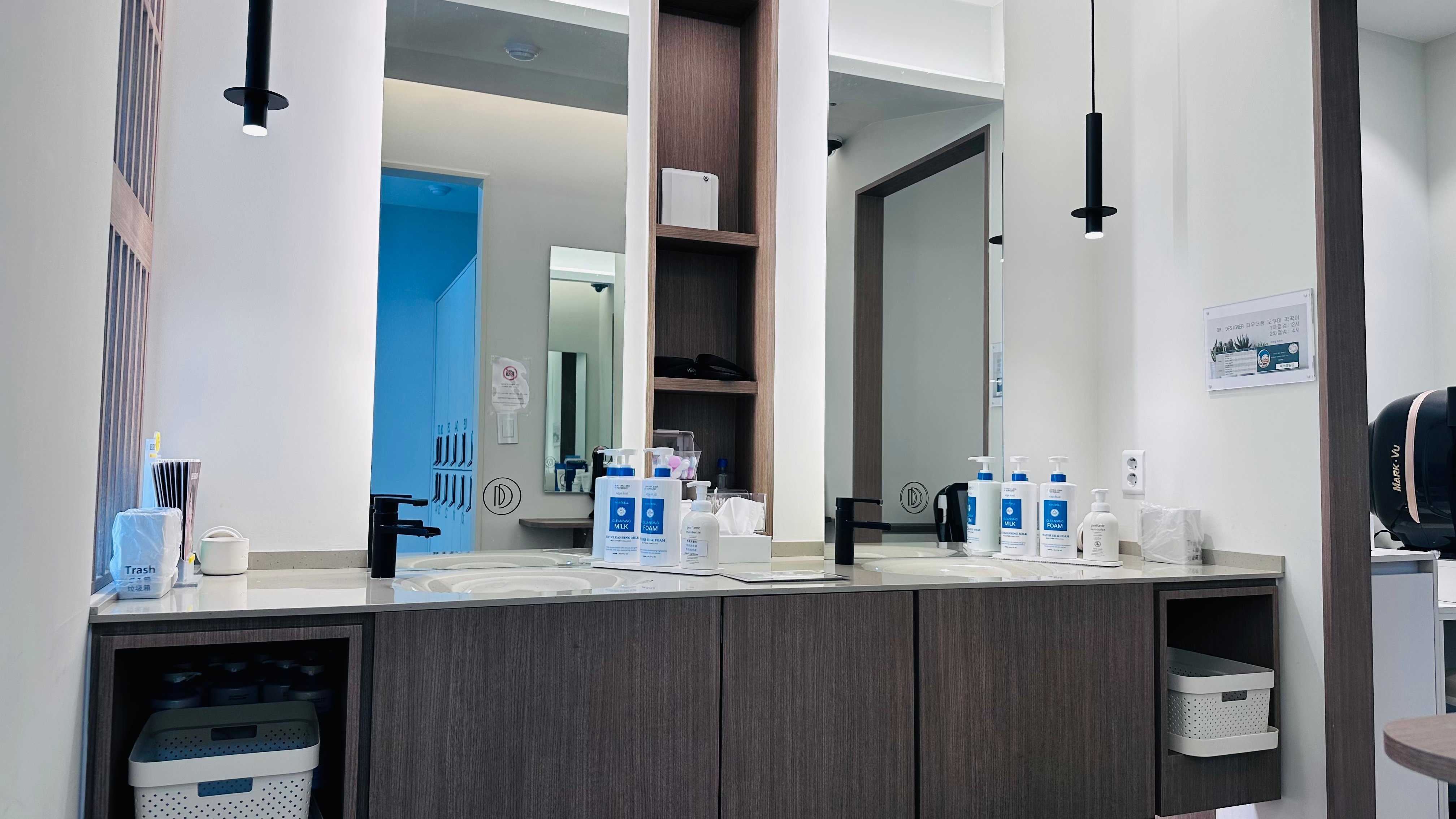
A useful consultation begins with a specific goal and an open discussion of your medical history. At Myeongdong Dr. Designer Clinic, you can ask the medical staff whether radiofrequency microneedling is appropriate for your skin and what a proposed plan would involve. Suitability depends on an individual assessment, not simply on having a concern that the treatment is commonly used to address. Discuss the treatment area, expected recovery, possible reactions and the written total before deciding whether to proceed.
Who might consider treatment?
Someone seeking advice about acne scars or uneven skin texture may wish to discuss radiofrequency microneedling with a doctor. A consultation can also help clarify whether a concern is related to texture, pigmentation, inflammation or another issue. Those distinctions matter because a treatment suited to one concern may not be the right choice for another. If the skin is actively infected, significantly irritated or otherwise unwell, the doctor should assess it before any procedure is considered.
Be prepared to describe both your current skin condition and your treatment goals. Explain whether you are concerned about a particular area or a broader change in skin texture, and mention any time constraints that could affect recovery. The doctor may need to consider your history of scarring or pigmentation, previous reactions and any medicines or products you use. If you are pregnant, have a medical device or have a health condition that could affect treatment, raise it during the consultation. This does not establish that treatment is suitable or unsuitable; it gives the medical staff information needed for an assessment. A treatment recommendation should follow that assessment. You can also ask whether waiting, treating an active skin problem first or considering another approach would make more sense.
The right starting point is an assessment of your skin, health history and goals. A clear consultation helps you understand whether treatment is appropriate and what recovery may involve.
Questions to ask before proceeding
Ask the doctor which concern the proposed treatment is intended to address and what degree of change is realistic. It is also useful to ask how the treatment area will be selected, what the procedure is expected to feel like and whether pain management will be offered. Discuss the possibility of redness, swelling or temporary skin sensitivity, along with any risks that are relevant to your history. You should understand the plan and consent to it before treatment begins.
Practical questions matter as much as technical ones. Ask how long the appointment and visible recovery are expected to take in your case, when you can resume your usual skin-care routine and what to do if you have concerns afterward. If the doctor recommends a course of treatment, ask how progress will be reviewed before further sessions. You can also request a written estimate that identifies the proposed procedure and any included services. Review the final total before agreeing to treatment, rather than assuming that an advertised offer applies to your plan. If you prefer to discuss consent in a particular language, confirm the language available when booking. A clear conversation gives you room to make an informed decision without pressure to proceed immediately.
Preparing for your appointment
Bring a list of medications, relevant medical conditions and skin-care products, especially if you use products that can irritate the skin. Tell the doctor about recent procedures, sun exposure and any current rash, infection or open area. Do not stop a prescribed medication without advice from the clinician who prescribed it. If the clinic gives you preparation instructions, follow those instructions and ask about anything that is unclear before your appointment.
Plan around the possibility of temporary redness or sensitivity after treatment. If you have an important event, travel plans or limited time for recovery, mention this during the consultation. The medical staff can explain how those plans may affect the timing of a procedure. It is also sensible to ask what products should be avoided immediately afterward and when your usual routine can resume. Preparation should be tailored to the procedure actually recommended for you.
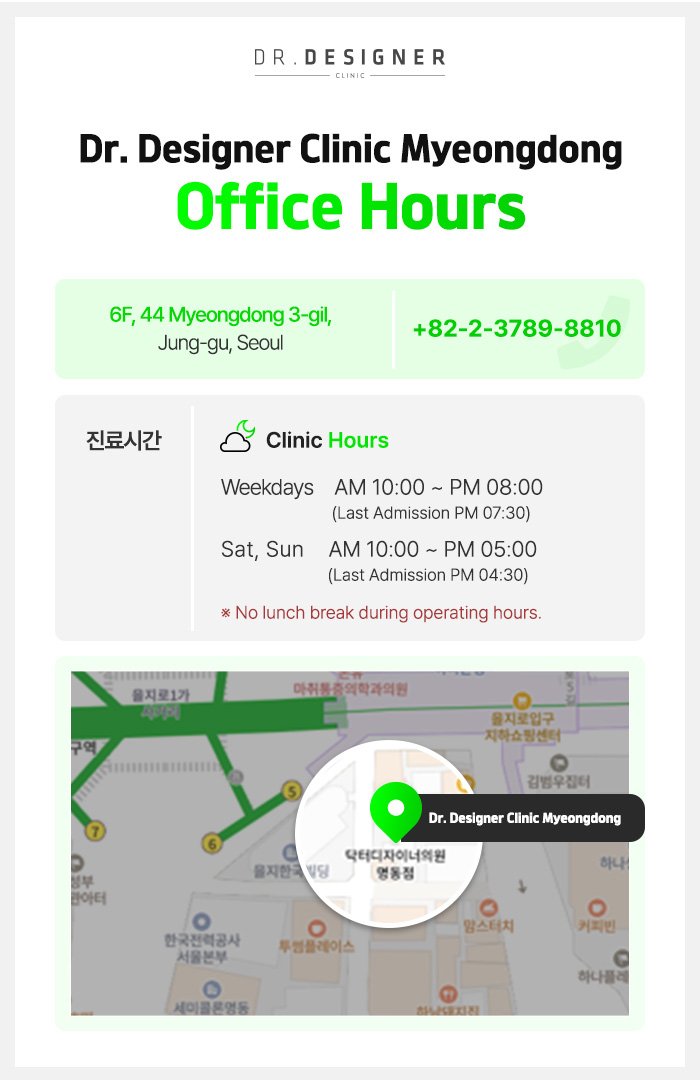
Myeongdong Dr. Designer Clinic welcomes international visitors and provides messaging and phone contact options. The clinic’s published hours are 10:00 a.m. to 8:00 p.m. on weekdays and 10:00 a.m. to 5:00 p.m. on weekends, with no lunch break. Check the current monthly schedule before visiting. When arranging an appointment, discuss the consultation language and your preferred time so that you can review the plan and consent information comfortably.
Myeongdong Potenza Recovery and Aftercare
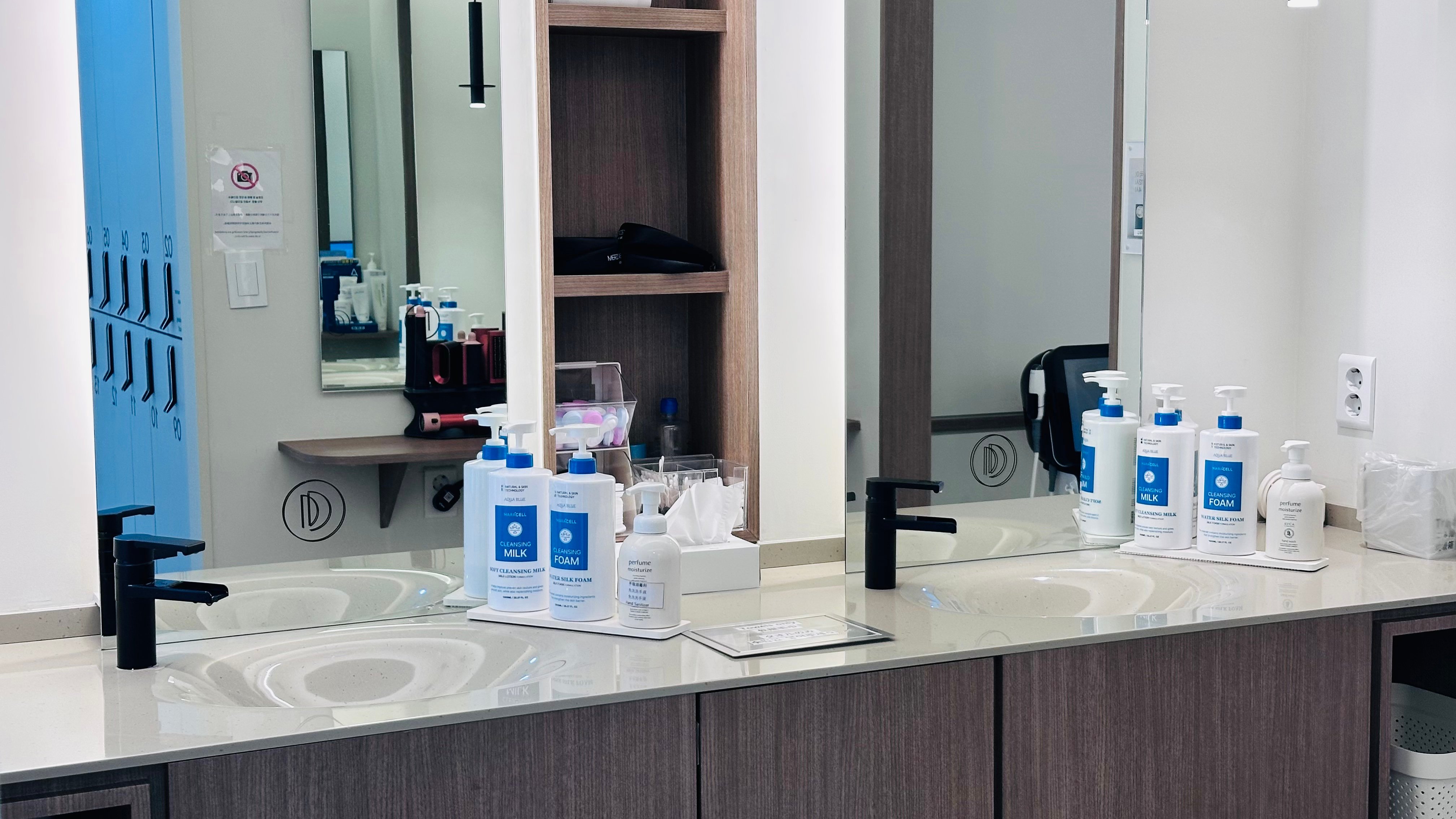
After radiofrequency microneedling, the skin needs time to recover from the needle entry and heat delivered during treatment. Temporary redness, swelling or sensitivity can occur, although the experience differs by person and treatment settings. Follow the aftercare instructions provided by the attending doctor, and contact the clinic if a reaction concerns you. Changes in texture or firmness, when they occur, may develop gradually as the skin repairs itself. A follow-up discussion can help determine whether the response matches the treatment goals.
What to expect as skin heals
The treated area may look red or feel warm and sensitive after the procedure. Some people may also notice mild swelling or pinpoint marks where needles entered the skin. The duration and intensity of these effects depend on the individual and the treatment performed. Ask the doctor which reactions are expected for your plan and when to seek advice. If redness, pain or swelling becomes severe or continues to worsen, seek prompt medical assessment.
Healing is not the same as seeing the final cosmetic response. Surface redness may settle before the deeper processes involved in collagen remodeling are complete. For that reason, an early appearance does not necessarily predict the eventual result. Avoid judging the treatment solely by how the skin looks immediately afterward. Instead, ask when the doctor recommends reviewing progress and what signs would warrant an earlier conversation. If you take photographs to track changes, use similar lighting and angles so that comparisons are more meaningful. Individual responses differ, and no particular degree of improvement can be assured. A review is also an opportunity to discuss whether the original goal remains appropriate or whether a different approach should be considered.
Recovery and visible improvement are separate processes: the skin may settle before longer-term changes become apparent. Follow your doctor’s instructions and seek advice if the treated area is worsening or feels unusually painful.
Points to consider before treatment
Like other procedures that affect the skin, radiofrequency microneedling carries risks. These can include temporary redness, swelling and discomfort; pigment changes, infection or scarring are also possible. The level of risk depends on the individual, the treatment and aftercare. Discuss your history of pigmentation changes, scarring and skin infections with the doctor. Understanding these considerations beforehand allows you to weigh the potential benefit against the recovery and risks relevant to you.
After treatment, protect the skin as directed and avoid adding unfamiliar or potentially irritating products until the doctor says it is appropriate. Ask for specific guidance on cleansing, moisturizing, sun protection and resuming active skin-care ingredients. Do not pick at treated skin or attempt to manage an unusual reaction with additional treatments without medical advice. If you develop signs that concern you, such as increasing pain, spreading redness or discharge, contact the clinic promptly; seek urgent care for severe symptoms. The attending doctor can explain which effects are expected and which require assessment. Clear aftercare instructions should be part of the treatment plan, not an afterthought. Keep those instructions accessible, particularly if you are traveling or will be away from home during recovery.
Reviewing results and next steps
A follow-up conversation can focus on whether the treated area has healed as expected and whether the initial goal has been met. Describe any changes you have noticed as well as any persistent irritation. The doctor can assess the skin and discuss whether further treatment is appropriate. A recommendation for additional sessions should take into account your response, recovery and preferences rather than follow an automatic schedule.
If you are comparing options, ask the medical staff to explain the purpose of each proposed treatment and how it relates to your concern. Request the expected recovery guidance and a written cost estimate for the exact plan being considered. Treatment costs depend on the proposed procedure and its inclusions. Taking time to review those details makes it easier to decide whether the plan is practical for your schedule and goals.
Ultimately, the value of a consultation is clarity. You should leave with an understanding of the concern being treated, the proposed method, realistic expectations and the steps to take during recovery. At Myeongdong Dr. Designer Clinic, raise any remaining questions with the medical staff before consenting. If you need time to consider the information, you can do so before deciding whether to proceed.
Frequently Asked Questions
Q.What kind of place is Myeongdong Dr. Designer Clinic?
A.Myeongdong Dr. Designer Clinic is a clinic where visitors can discuss skin concerns and treatment options with the medical staff.
Q.Who might want to ask about radiofrequency microneedling?
A.Someone concerned about acne scars or uneven skin texture may wish to discuss the treatment with a doctor. Suitability depends on the individual’s skin and medical history.
Q.How does radiofrequency microneedling work?
A.Fine needles enter the skin and deliver radiofrequency energy into targeted tissue. The resulting controlled response supports the skin’s repair processes, including collagen remodeling.
Q.What should I prepare before a consultation?
A.Bring information about your medications, relevant medical conditions, skin-care products and previous procedures. Mention any current irritation, infection or recent sun exposure.
Q.Where is Myeongdong Dr. Designer Clinic, and how can I contact it?
A.The clinic is at 6th Floor, 44 Myeongdong 3-gil, Jung-gu, Seoul. Call 02-3789-8810 to ask about an appointment.
Clinic Information
| Clinic | Myeongdong Dr. Designer Clinic |
|---|---|
| Specialty | Clinic |
| Address | 6th Floor, 44 Myeongdong 3-gil, Jung-gu, Seoul |
| Phone | 02-3789-8810 |
| Website | https://md-drdclinic.sillajewelry.com/ |
 Myeongdong Dr. Designer Clinic