





Myeongdong Pico Toning: How the Technology Works
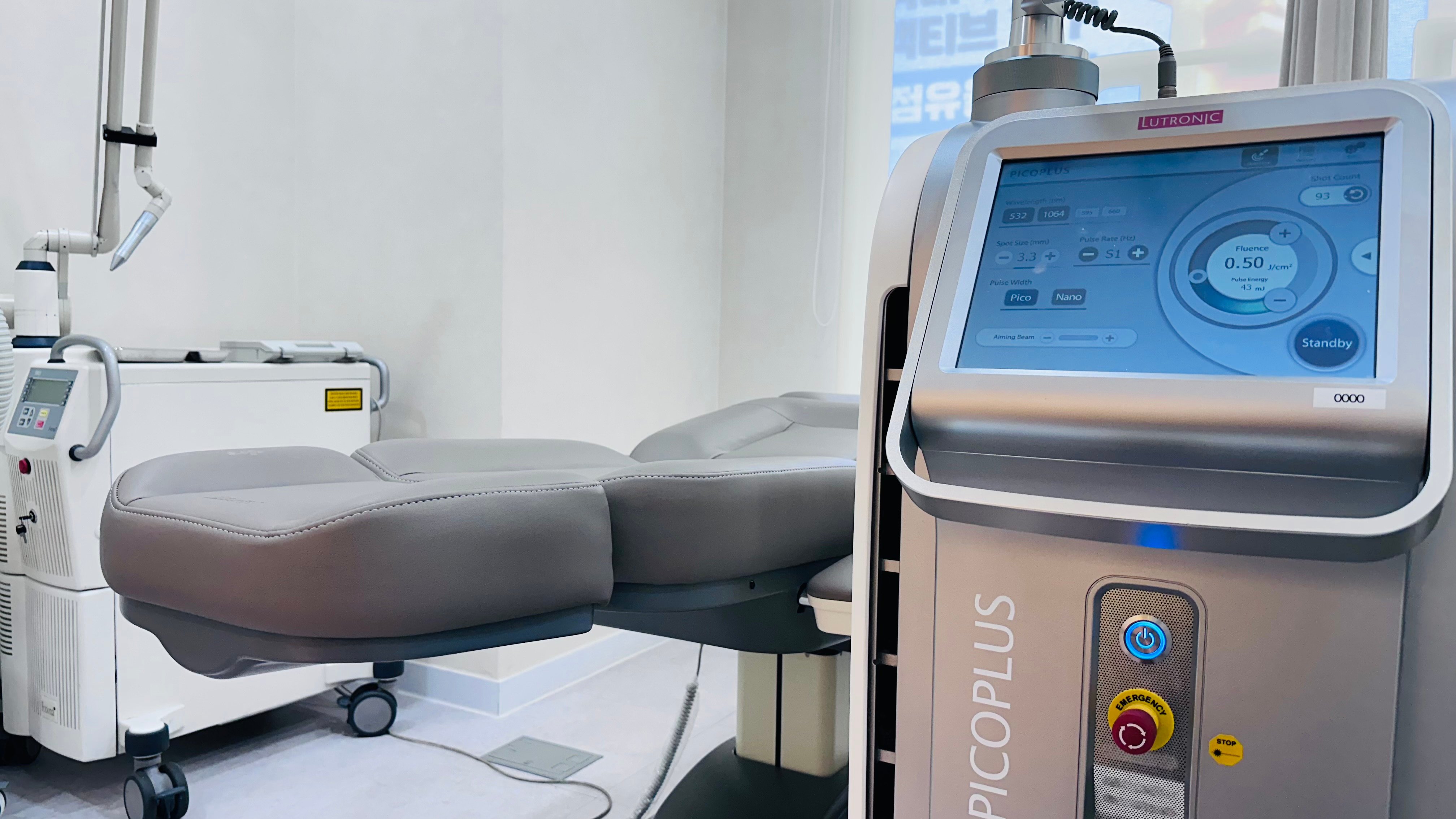
Pico toning is a laser-based approach used in pigmentation care. The term pico refers to the duration of the laser pulse: a picosecond is one trillionth of a second. These brief pulses deliver energy to selected targets in the skin, including pigment. Myeongdong Dr. Designer Clinic offers pico laser and toning for pigmentation and texture concerns. The appropriate approach depends on what is causing the visible change, not simply on how dark a spot appears.
What happens when laser energy reaches pigment?
Skin color is influenced by melanin, a pigment produced by cells called melanocytes. When an appropriate laser wavelength is absorbed by melanin, the energy can break pigment into smaller particles. The body’s normal processes can then gradually clear some of that material. Pico lasers produce very short pulses, which can create a mechanical effect as well as heat. The balance of these effects depends on the device, settings, and tissue being treated.
That distinction matters because not all visible pigmentation is the same. Freckles, sun-related spots, post-inflammatory marks, and melasma can look similar at first glance, but their causes and responses to treatment differ. Some pigment sits closer to the skin’s surface, while other pigment can be deeper. A doctor considers these features before discussing whether laser treatment is appropriate.
Laser settings are not interchangeable. Wavelength, energy, pulse delivery, and the number of passes can influence how the skin responds. A treatment plan should account for skin tone and sensitivity as well as the condition being addressed. The aim is to choose an approach suited to the individual rather than assume that a stronger setting will produce a better outcome.
Pico toning works by delivering brief pulses of energy to targets in the skin. Identifying the type of pigmentation is an essential part of deciding whether and how to treat it.
Why pigmentation requires careful assessment
A dark mark can develop after sun exposure, acne, irritation, or hormonal changes. The cause matters because a laser may be useful for some marks but less predictable for others. Melasma, for example, can be sensitive to heat and inflammation, and treatment requires particular care. A change in color or texture should be assessed before treatment rather than treated as a generic cosmetic concern.
During a consultation, describe when the marks appeared and whether they change with sunlight, irritation, or hormonal fluctuations. Mention previous laser treatments, reactions to skin products, and any history of pigmentation after injury. These details help the doctor understand how your skin has responded in the past. It is also useful to distinguish a specific spot from a broader area of uneven color: the two may call for different discussions.
If a spot is new, changing, bleeding, or otherwise unusual, ask the doctor to assess it before pursuing cosmetic laser treatment. A laser session should not replace an appropriate medical evaluation of a suspicious lesion. The doctor can explain whether further assessment is needed and whether the concern is suitable for cosmetic treatment.
How toning differs from treating a single spot
The word toning generally describes an approach to uneven pigmentation across an area of skin. Treating a distinct spot, by contrast, focuses on a more localized target. The distinction is useful when explaining your priorities, but it does not establish which technique or settings are appropriate for you. The doctor’s assessment determines whether a broader or more targeted approach should be considered.
Texture is another reason someone may ask about pico laser care. Skin texture can be affected by pores, scars, fine lines, or surface irregularities, and these concerns do not all respond in the same way. Explain what you notice in ordinary lighting and whether the concern is color, an indentation, or a raised area. This helps keep the consultation focused on the feature you want assessed.
| Concern to discuss | Useful detail for the consultation |
|---|---|
| Uneven pigmentation | When it appeared and whether it changes with sun exposure |
| Marks after acne or irritation | The history of the inflammation and any previous treatment |
| Skin texture | Whether the concern is a color change, indentation, or raised area |
Photographs taken over time can help you describe a persistent concern, particularly if its appearance changes. Bring a list of skin products and treatments you use, including prescription products. The medical staff can review this information alongside an examination and explain what pico laser care can reasonably address. Ask about the goal of treatment before discussing a schedule.
Myeongdong Pico Toning: Planning a Treatment
Effective planning begins with a clear diagnosis and a conversation about your priorities. Myeongdong Dr. Designer Clinic offers pico laser and toning alongside other skin and aesthetic services, including acne care and injectable skin boosters. These services address different concerns and should not be assumed to be interchangeable. A consultation is the opportunity to discuss the characteristics of your skin, treatment options, and the expected course of care.
What to discuss with the doctor
Explain which areas concern you and how long you have noticed them. Tell the doctor about recent sun exposure, a tan, skin irritation, active acne, or a history of cold sores. Also mention medications, allergies, previous cosmetic procedures, and any tendency to develop darker marks or scars after inflammation. This information helps the doctor assess precautions and decide whether treatment should proceed.
Be specific about your expectations. If your primary concern is a patch of uneven color, say so; if you are more concerned about texture, explain what you see and feel. Ask which features the proposed treatment is intended to address and which may need a different approach. A useful discussion also covers the possibility that more than one visit may be recommended and that changes may take time depending on individual condition.
It is reasonable to ask how the treatment area will be protected, what the session involves, and what to do if your skin reacts afterward. If you use prescription or exfoliating products, ask whether your routine needs adjustment before or after treatment. Do not stop a prescribed medication without advice from the clinician responsible for it.
A good treatment plan connects the laser approach to a specific concern and your skin history. Use the consultation to understand the proposed goal, precautions, and follow-up before deciding.
Preparing for a laser appointment
Before your visit, make a note of recent procedures and products that may irritate your skin. These can include exfoliating acids, retinoids, and treatments that have caused redness or peeling. The doctor can advise whether any changes are appropriate for your situation. Avoid arriving with irritated or sunburned skin without first discussing it with the clinic. Treatment may need to be reconsidered when the skin barrier is inflamed.
Sun protection is an important part of pigmentation care. Ultraviolet exposure can contribute to uneven pigmentation and can affect the skin’s response around the time of laser treatment. Use broad-spectrum sunscreen as directed on the product label, and consider protective clothing, shade, or a hat when outdoors. Ask the medical staff for guidance tailored to the treatment area and your circumstances.
On the day of the appointment, follow the clinic’s instructions about cleansing and cosmetics. Tell the medical staff if your health or skin has changed since booking, including any new rash, infection, or medication. Do not assume that a concern raised at an earlier visit remains unchanged. A brief update gives the doctor an opportunity to reassess before treatment begins.
What a session and follow-up may involve
Laser treatment involves directing controlled light energy at the selected area. Protective eyewear is an important safety measure, and the medical staff should explain how the eyes will be protected. Sensation and the skin’s immediate appearance depend on the treatment and the individual. Ask what to expect during the session and when you can resume your usual skincare routine.
Aftercare should follow the instructions given for your treatment. These may include gentle cleansing, moisturizing, sun protection, and temporarily avoiding products or activities that irritate the skin. Do not pick at treated areas or introduce strong skincare products without checking whether they are appropriate. Contact the clinic if you are uncertain about a reaction or how to care for the area.
Discuss the expected timing of a review and how progress will be assessed. Photographs taken under similar lighting can help make changes easier to compare, but lighting and camera settings can affect appearance. Changes may take time, and the number of sessions depends on the condition and treatment plan. Ask for an individualized quote and a clear explanation of what it covers before booking.
Myeongdong Pico Toning: Benefits and Points to Consider
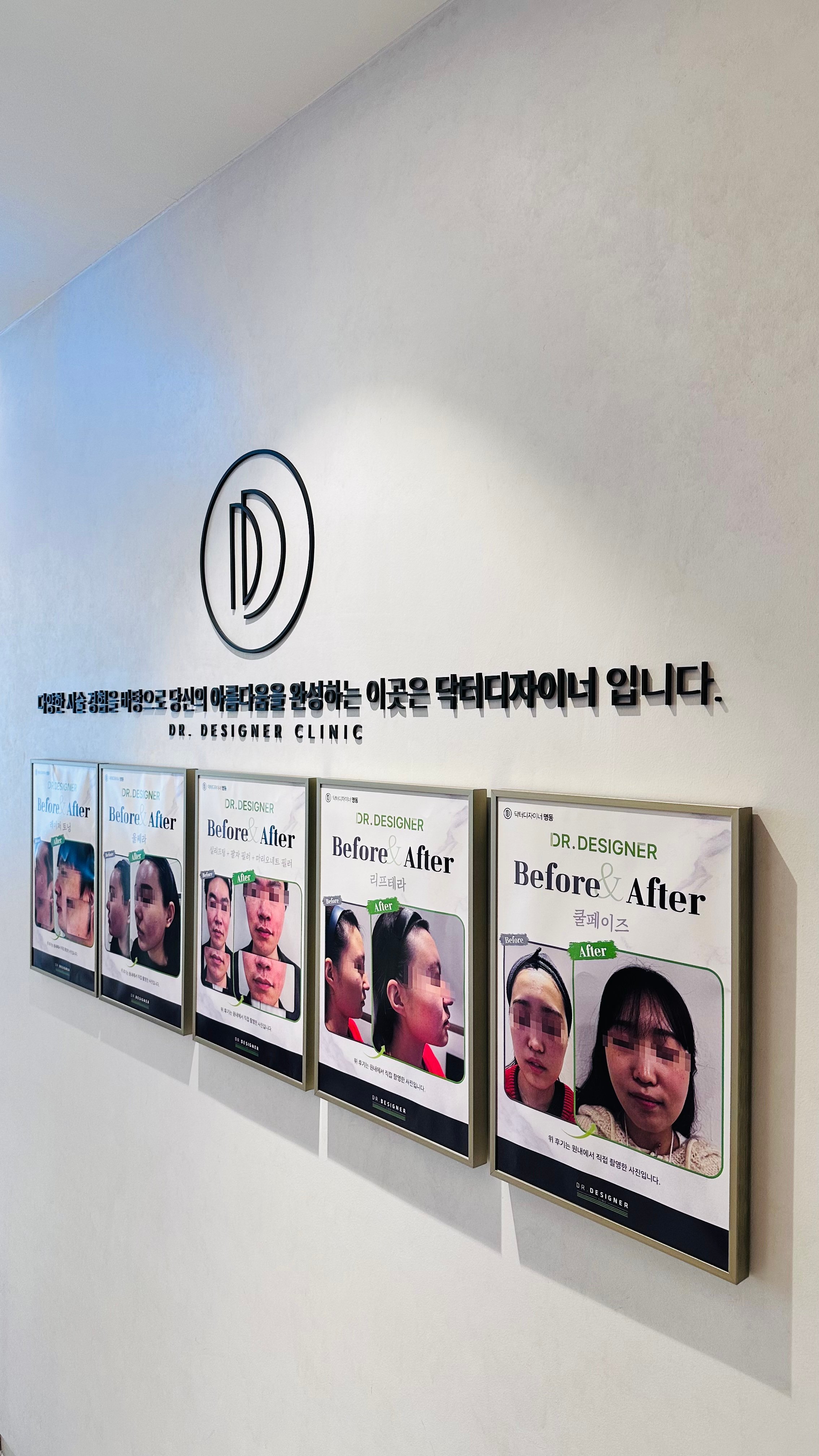
Pico laser and toning can be considered for pigmentation and texture concerns after an assessment. The potential benefit is a more even appearance in the areas selected for treatment, although the response is individual and no outcome can be promised. The most useful conversation covers both the intended result and the precautions. A realistic plan also considers ongoing skincare and sun protection, rather than treating the appointment as the only part of care.
Potential benefits for pigmentation and texture
For a suitable pigment concern, laser energy can target melanin so that treated discoloration gradually becomes less noticeable. Some laser approaches are also used to address aspects of skin texture. Which concern can be treated, and how much change to expect, depends on the diagnosis, treatment settings, and individual response. Ask the doctor to identify the specific feature being targeted and how progress will be evaluated.
It helps to separate treatment goals into clear categories. An uneven tone, a discrete dark mark, and a textured scar may all be visible in the same area, but they are not the same problem. Addressing one does not necessarily resolve the others. The doctor can explain whether pico laser care is appropriate for your priority and whether another service should be discussed instead.
Myeongdong Dr. Designer Clinic also offers acne care and injectable skin boosters. These are different types of care, with different purposes and considerations. Their availability does not mean they need to be combined with laser treatment. Discuss any proposed combination, including its rationale and timing, before making a decision.
The value of treatment depends on matching the approach to the concern being assessed. Clear goals make it easier to discuss likely changes, alternatives, and appropriate follow-up.
Points to consider before treatment
Laser treatment can cause temporary redness, swelling, or discomfort. Depending on the treatment and individual response, changes in pigmentation can also occur, including darkening or lightening of the treated area. Darker skin tones and a history of post-inflammatory pigmentation are important to discuss because they can affect risk assessment. The doctor can explain the precautions relevant to your skin and the proposed settings.
Some conditions require particular care. Melasma can recur and may worsen after irritation or inappropriate treatment, while a suntan or active inflammation can alter the assessment. Tell the doctor if you have had an unexpected reaction to a previous procedure. Do not judge suitability from a treatment name alone: the diagnosis and the way a device is used are central to the decision.
After treatment, contact the clinic if a reaction concerns you or seems to be getting worse. Seek prompt medical care for severe symptoms, such as significant pain, blistering, or signs of infection. The attending doctor can explain which changes are expected for your treatment and how to respond to them.
Booking and maintaining a practical skincare plan
Before booking, identify your main concern and prepare a short list of questions. Ask about the proposed treatment goal, preparation, aftercare, review, and individualized cost. If language support is important to you, confirm the language available for consultation and consent when arranging your visit. Clear communication helps you understand the plan and make an informed decision.
Myeongdong Dr. Designer Clinic publishes an English WhatsApp channel and accepts direct phone contact, among other booking options. When making arrangements, identify the Myeongdong location and check that the appointment details match your intended visit. If you receive a deposit request, check that it identifies the correct location before proceeding.
Long-term pigmentation care often involves habits outside the treatment room. Sun protection and a skincare routine that does not repeatedly irritate the skin can support the plan discussed with your doctor. Keep the clinic informed about new products, reactions, or changes in your skin. A follow-up conversation can help determine whether the original approach remains appropriate.
Frequently Asked Questions
Q.What does Myeongdong Dr. Designer Clinic offer for pigmentation?
A.Myeongdong Dr. Designer Clinic offers pico laser and toning for pigmentation and texture concerns.
Q.Who might consider pico laser care?
A.Someone concerned about uneven pigmentation or skin texture can discuss these concerns with the medical staff. Suitability depends on the condition and an individual assessment.
Q.Does the clinic offer other skin treatments?
A.Yes. Myeongdong Dr. Designer Clinic also offers acne care and injectable skin boosters, which address different skin concerns.
Q.What should I prepare before a laser consultation?
A.Bring a list of your medications, skincare products, and previous treatments. Tell the doctor about recent sun exposure, skin irritation, and any past reactions to procedures.
Q.Where is Myeongdong Dr. Designer Clinic, and how can I contact the clinic?
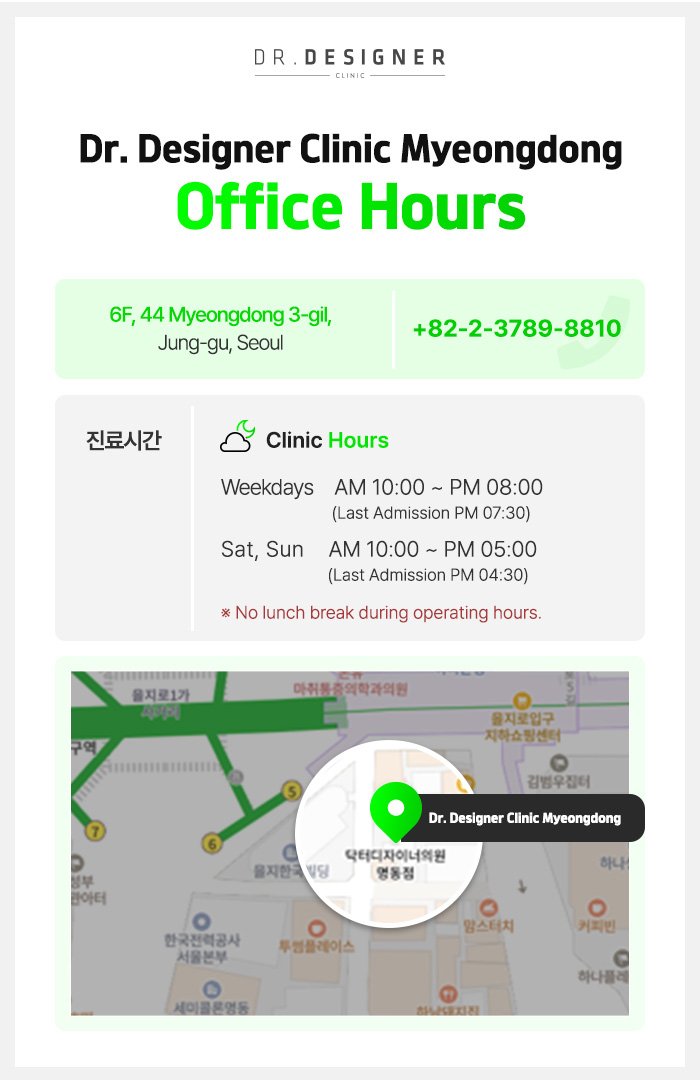
A.The clinic is at 6th Floor, 44 Myeongdong 3-gil, Jung-gu, Seoul. You can call 02-3789-8810 or use the clinic’s English WhatsApp channel.
Clinic Information
| Clinic | Myeongdong Dr. Designer Clinic |
|---|---|
| Specialty | Clinic |
| Address | 6th Floor, 44 Myeongdong 3-gil, Jung-gu, Seoul |
| Phone | 02-3789-8810 |
| Website | https://md-drdclinic.sillajewelry.com/ |
 Myeongdong Dr. Designer Clinic