





Myeongdong Thread Lifting: What Makes It Different?
Thread lifting and other cosmetic procedures address facial concerns in different ways. Thread lifting generally involves placing threads beneath the skin to support tissue, while energy-based treatments deliver ultrasound or radiofrequency energy to targeted areas. Injectable treatments, meanwhile, are selected for purposes such as facial balance or skin-quality care. The first step is to identify the concern you want to address, rather than choosing a procedure solely by name. At Myeongdong Dr. Designer Clinic, a consultation is an opportunity to discuss those differences with the medical staff.
How thread lifting works
A thread lift generally uses threads placed beneath the skin to reposition or support facial tissue. The approach differs from a topical treatment because it involves placement under the skin, and it differs from an energy-based procedure because the intended support comes from the threads rather than an external device. Thread type, placement, and suitability depend on the treatment plan. Ask the medical staff whether thread lifting is available and appropriate for your individual concern.
People considering a thread lift often want to discuss changes in facial contours or visible laxity. Those concerns can have more than one contributing factor, including skin quality and the position or volume of underlying tissue. That is why a useful consultation starts with a clear description of what you have noticed and which area concerns you. The doctor can then explain whether the concern is one that threads, an energy-based procedure, or another approach is intended to address. If thread lifting is being considered, ask how the procedure is performed, what preparation is needed, and what recovery instructions apply. Changes and the way a treatment is experienced depend on the individual, so the discussion should focus on a realistic plan rather than a promised result.
Thread lifting and device-based treatments use different methods, even when both are discussed in relation to facial laxity. The most useful comparison begins with the area of concern and the kind of change you hope to discuss.
Where ultrasound and radiofrequency fit
Myeongdong Dr. Designer Clinic offers ultrasound and radiofrequency treatments that can be discussed as alternatives when skin tightening is the main concern. Ultherapy Prime is a micro-focused ultrasound treatment, while Sofwave uses ultrasound for skin tightening. Thermage FLX uses radiofrequency, and XERF uses dual-frequency radiofrequency. These approaches do not involve placing lifting threads beneath the skin. The doctor can explain how the treatment area, your skin, and your goals relate to each option.
Energy-based treatments should not be treated as interchangeable simply because they appear in the same category. Ultrasound and radiofrequency use different forms of energy, and individual devices have distinct treatment approaches. During a consultation, ask which area a proposed procedure is intended to address and how the appointment is conducted. It is also reasonable to ask about expected sensations, aftercare, and when changes may become noticeable. Changes may take time depending on individual condition. If you are comparing a device-based treatment with threads, ask the doctor to explain the difference between a plan focused on skin tightening and one focused on tissue support. That distinction can make it easier to decide which questions matter most to you.
How injectables differ from lifting
Injectable treatments have their own purposes. Myeongdong Dr. Designer Clinic offers Rejuran and skin boosters for skin-quality care, as well as Botox and contour injections for facial balance. These treatments should be discussed in relation to the specific concern they address; they are not automatically substitutes for a thread lift or a skin-tightening procedure. For example, a concern about skin quality calls for a different discussion from a concern about facial laxity.
Be specific when describing the change you want to explore. You might ask whether your concern relates primarily to the appearance of your skin, facial balance, or laxity. The doctor can explain the role of an injectable treatment and whether another approach is worth considering. If more than one treatment is discussed, ask what each is intended to do and why it is included in the plan. This helps keep the comparison focused on your own priorities.
| Treatment | Approach described at our clinic |
|---|---|
| Ultherapy Prime | Micro-focused ultrasound lifting |
| Thermage FLX | Radiofrequency tightening |
| Sofwave | Ultrasound skin tightening |
| XERF | Dual-frequency radiofrequency |
| Rejuran and skin boosters | Injectable skin-quality care |
| Botox and contour injections | Injectable facial balance |
The table is a starting point, not a treatment recommendation. Each option has a different purpose, and a procedure’s name alone cannot establish whether it suits your skin or goals. Ask the medical staff to explain the proposed treatment area, the intended role of the procedure, and the care needed afterward. If you are interested in threads, include that in your consultation request so the discussion can address availability as well as suitability.
Myeongdong Thread Lifting Compared With Other Treatment Goals
A meaningful comparison separates skin tightening, skin quality, and facial balance. These concerns can overlap, but the same procedure does not necessarily address each one in the same way. Myeongdong Dr. Designer Clinic offers treatments across these categories, including ultrasound, radiofrequency, and injectable options. The right discussion depends on your examination and priorities. Explain what you would like to change, then ask the doctor how each proposed treatment relates to that concern.
For concerns about laxity
When looseness or a change in facial contours is your main concern, ask how thread lifting compares with ultrasound and radiofrequency treatments. Threads are generally discussed in terms of tissue support, while treatments such as Ultherapy Prime, Sofwave, and Thermage FLX use energy-based approaches. The distinction is useful, but it does not determine which option is appropriate without an individual assessment. The doctor can discuss the treatment area and explain the intended role of each procedure.
It can help to describe when you first noticed the concern and whether it is limited to a particular part of your face. Bring up previous cosmetic procedures and any relevant medical history so the doctor can consider them when discussing a plan. Ask what the proposed treatment can reasonably address, what it cannot address, and what recovery or follow-up may involve. If you are considering an energy-based procedure, ask how the selected device relates to your concern rather than assuming all devices work identically. If you are considering threads, ask about the proposed placement and aftercare. A careful comparison should leave you with a clear understanding of the method and the reason it is being considered.
Laxity can be approached in different ways, and a device-based treatment is not the same procedure as a thread lift. Ask what each option is intended to address before deciding how to proceed.
For skin quality and pigmentation
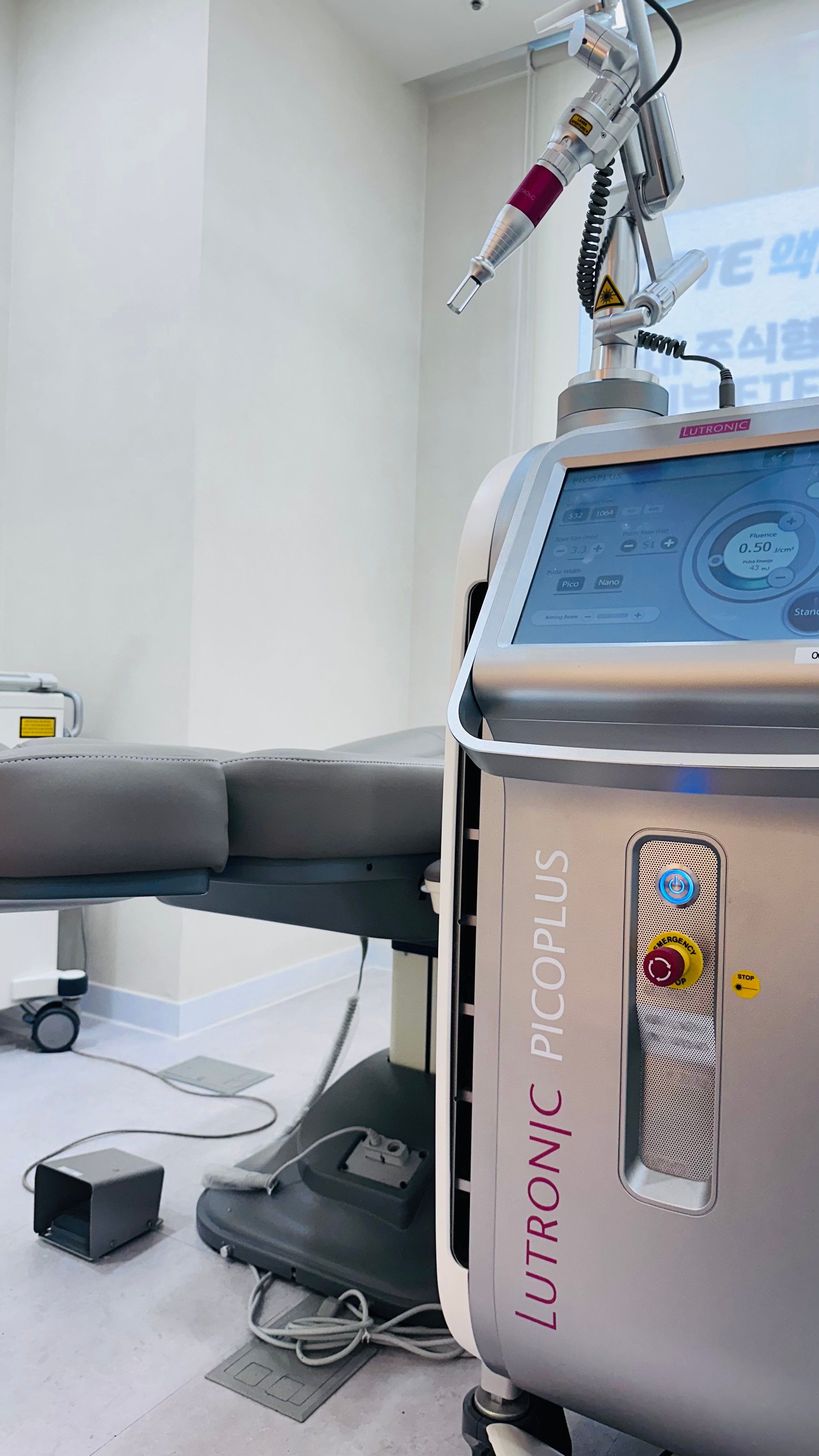
Not every concern about facial appearance is primarily a lifting concern. Myeongdong Dr. Designer Clinic offers Rejuran and skin boosters for injectable skin-quality care, along with pico laser and toning for pigmentation and texture. Acne care includes laser and skin care. These services have different purposes from thread lifting, so describing the visible change that matters to you is especially important. The doctor can explain whether the discussion should focus on skin quality, pigmentation, texture, or another concern.
If uneven-looking skin or texture is your priority, ask how the proposed treatment is intended to address it and what preparation or aftercare is involved. If you are also concerned about laxity, mention both rather than assuming that one procedure will address every issue. The medical staff can explain the role of each option and whether a broader treatment discussion is appropriate. A treatment plan should be understandable before you agree to it. You should know which concern is being targeted, what the procedure involves, and which questions remain open. Changes may take time depending on individual condition, and the timing of any visible change should be discussed for the treatment being considered.
For facial balance and contour
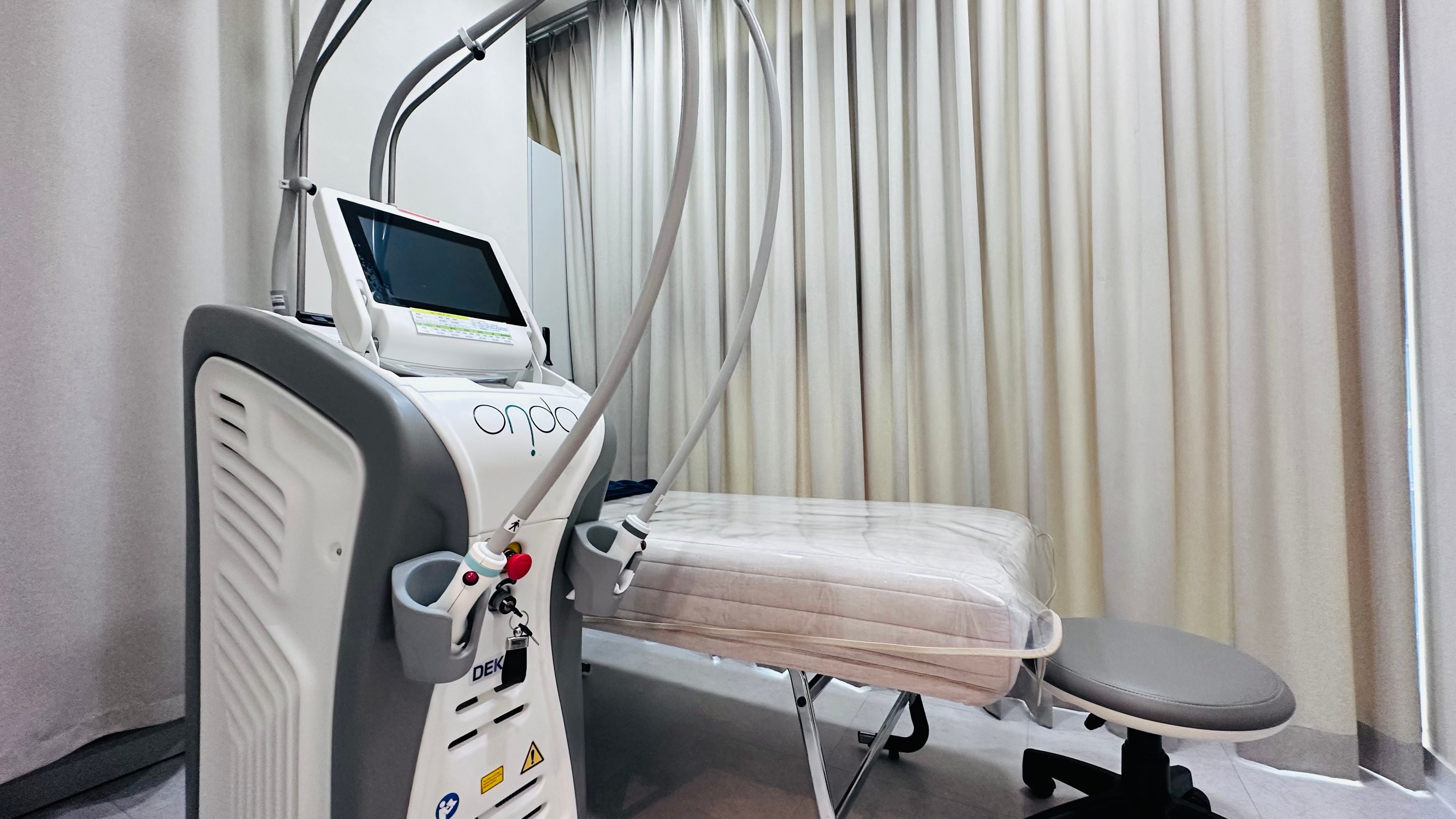
Facial balance and contour are also distinct from skin tightening. Our clinic offers Botox and contour injections for facial balance, as well as ONDA for face and body contouring. These services use different approaches from thread lifting and from skin-quality injectables. Ask the doctor to explain which feature or area a proposed treatment is intended to address, rather than comparing treatments only by their cosmetic category.
When discussing facial balance, it is helpful to identify a specific concern instead of asking for a general change. The medical staff can explain the relevant options, how a procedure is carried out, and what care is needed afterward. You can also ask whether the treatment addresses the concern you identified or whether another consultation topic would be more relevant. That conversation supports an informed decision without assuming that a particular procedure is suitable for everyone.
If several options are mentioned, ask for a plain-language explanation of the purpose of each one. A treatment for skin texture, for example, should not be presented as though it works in the same way as tissue support. Understanding the intended role of each procedure is more useful than comparing names alone. Take time to consider the explanation and ask for clarification before consenting to treatment.
Myeongdong Thread Lifting: Planning a Consultation
Preparation can make a cosmetic consultation more useful. At Myeongdong Dr. Designer Clinic, start by identifying the area you want to discuss and the kind of change you are seeking. Bring relevant information about your health and previous cosmetic procedures, and be ready to ask about the proposed method, preparation, and aftercare. If you are interested specifically in thread lifting, ask about its availability when arranging your visit. You can also discuss the clinic’s listed ultrasound, radiofrequency, and injectable services.
What to discuss with the doctor
Explain your main concern in straightforward terms: for example, whether you are noticing laxity, changes in texture, pigmentation, or a concern about facial balance. Tell the doctor about previous treatments and relevant health information. You can then ask which options are worth considering and why. The aim is not to arrive with a predetermined procedure, but to understand the relationship between your concern and the treatment being discussed.
Useful questions include: What is the proposed treatment intended to address? How is it performed? What preparation and aftercare are needed? What effects or complications should I know about, and when should I contact the clinic if I am concerned? If the discussion includes more than one procedure, ask whether each has a separate purpose and how the plan would be sequenced. You can also ask about the expected appointment duration and the cost of the proposed plan. The medical staff can explain the details relevant to your case. Do not hesitate to ask for clarification before giving consent. A treatment decision should follow a conversation you understand and feel ready to make.
A productive consultation connects your specific concern with a clearly explained treatment approach. Ask about the procedure, its practical requirements, and the points you should consider before consenting.
Points to consider before treatment
Every procedure warrants a discussion of its benefits, limitations, and possible complications. The relevant considerations depend on the method and your individual health. Ask the doctor what reactions to expect, what signs should prompt you to contact the clinic, and whether your medical history affects the proposed treatment. Also ask about preparation and aftercare, including any instructions that apply to the treatment area.
Recovery and treatment experiences differ between individuals and procedures. Rather than assuming that a thread lift, an ultrasound treatment, or an injection will have the same practical requirements, ask for instructions specific to the proposed plan. Discuss any upcoming commitments that could affect your ability to follow those instructions. If a treatment is intended to produce gradual changes, ask when the doctor would normally assess your response; changes may take time depending on individual condition. You should also understand what follow-up is recommended and how to raise a concern after the appointment. These questions are relevant whether you are exploring a single procedure or comparing several approaches.
Booking as an international visitor
Myeongdong Dr. Designer Clinic publishes dedicated WhatsApp channels in English and Simplified Chinese, LINE channels for Japan and Taiwan, as well as WeChat, KakaoTalk, online booking, and direct phone contact. When arranging a visit, confirm the language available for consultation and consent. If you have a particular procedure in mind, mention it in your message so the medical staff can address your question as part of the booking discussion.
Make the Myeongdong location explicit in your communications. Check that messages, any deposit request, and the map pin identify the intended clinic before proceeding. It is also useful to ask what information to bring and whether any preparation is needed for the consultation. Keep your questions focused on the treatment you are considering, including how it differs from the other options you want to discuss.
Before the appointment, write down your priorities and any questions about procedure choice, cost, appointment duration, or aftercare. This can help you use the consultation to compare options rather than relying on treatment names alone. If you need language support, raise that request when booking and make sure you understand the consultation and consent process before agreeing to a procedure.
Frequently Asked Questions
Q.What does Myeongdong Dr. Designer Clinic offer?
A.Myeongdong Dr. Designer Clinic offers cosmetic care including ultrasound and radiofrequency treatments, injectable skin-quality care, acne care, and pigmentation treatments.
Q.Who might consider a consultation?
A.A consultation can be useful if you want to discuss skin laxity, texture, pigmentation, acne, or facial balance. The doctor can explain options in relation to your concern.
Q.What treatments can I ask about?
A.You can ask about Ultherapy Prime, Thermage FLX, Sofwave, XERF, Rejuran, skin boosters, Botox, and contour injections. Ask the medical staff how each option relates to your treatment goals.
Q.What should I prepare before my visit?
A.Be ready to describe your concern and share relevant health information and previous cosmetic treatments. You can also prepare questions about the procedure, cost, and aftercare.
Q.Where is Myeongdong Dr. Designer Clinic, and how can I contact the clinic?
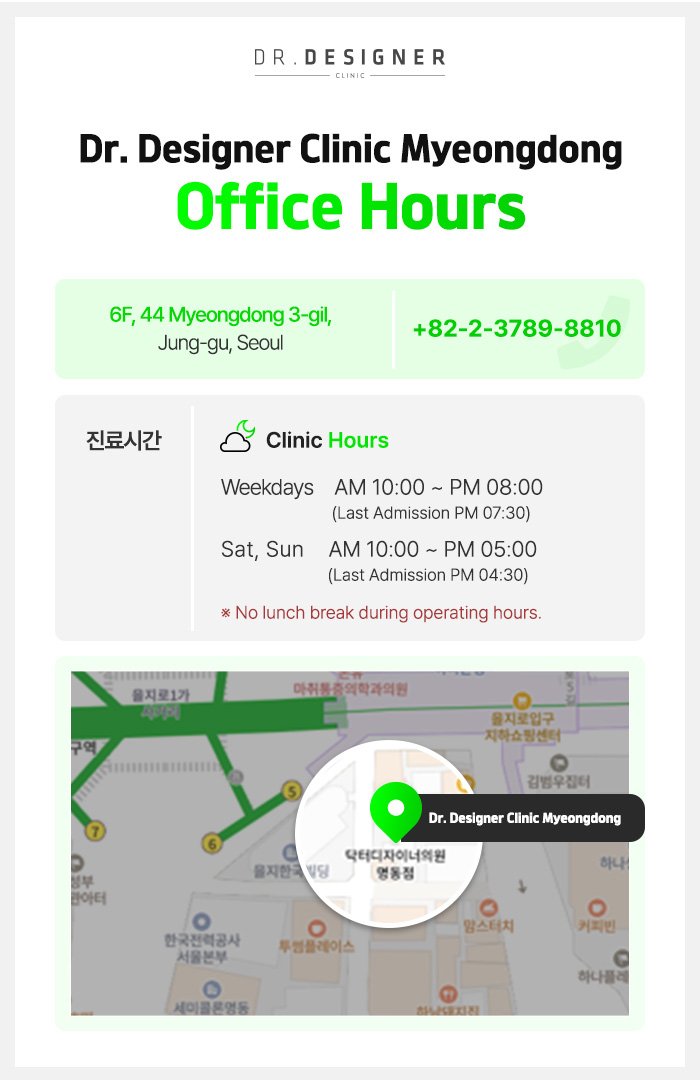
A.Our clinic is at 6th Floor, 44 Myeongdong 3-gil, Jung-gu, Seoul. You can call 02-3789-8810 or use one of the clinic’s published messaging or booking channels.
Clinic Information
| Clinic | Myeongdong Dr. Designer Clinic |
|---|---|
| Specialty | Clinic |
| Address | 6th Floor, 44 Myeongdong 3-gil, Jung-gu, Seoul |
| Phone | 02-3789-8810 |
| Website | https://md-drdclinic.sillajewelry.com/ |
 Myeongdong Dr. Designer Clinic